Wireless Earbuds Ad Guide: Buyers, Doubts and 8 Hooks
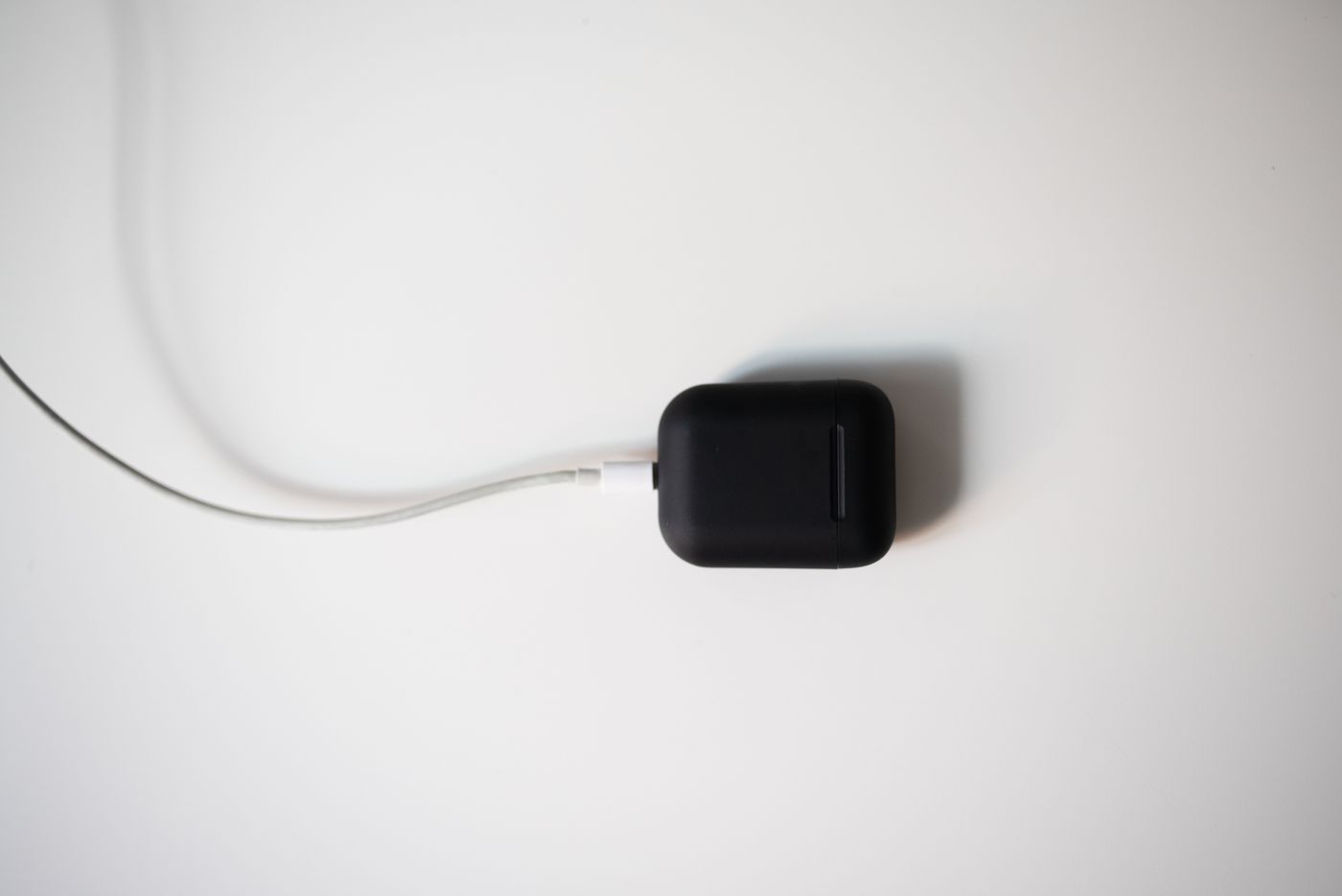
You launch a wireless earbuds ad with a glossy case spin, a bass graphic and a list of Bluetooth features. A day later, the comments ask whether they stay in small ears, whether one lost bud can be replaced, and how long the battery lasts. Your ad showed the product, but skipped the moment that makes someone buy.
Wireless earbud buyers are often replacing a pair that died or disappeared, or trying to fix one persistent annoyance. They want a pair that stays put, feels comfortable, connects reliably and holds enough charge for the day.
This guide turns buyer research into practical ad angles. You’ll see which people to speak to, what they’re likely to doubt, and eight hooks you can test with footage that answers the question on screen.
Why spec-heavy wireless earbuds ads miss
A buyer whose earbuds died this morning isn’t necessarily comparing codec names. They’re asking whether the replacement will work without daily hassles: will it fit, stay connected, last through a meeting, and avoid becoming another broken pair in a drawer?
Noise cancelling can matter, but buyers also want to remain aware when needed. A spec list doesn’t show what happens when ANC switches off and transparency mode brings outside sound back. Likewise, “secure fit” is easy to say and easy to doubt if the buds never move on camera.
Four buyers worth targeting first
The research maps several distinct buyer groups. Start with these four, each tied to a clear situation and filmable proof. Keep the message focused instead of making one ad speak to everyone.
Gym & outdoor runners
Runs, gym sessions and sprint intervals shake earbuds loose. Constantly pushing a bud back in ruins the workout.
Ad angle: show the tip options, then a head-shake and run test without a mid-run adjustment.
Gamers
They need to hear footsteps and want game audio to line up with what’s happening on screen.
Ad angle: show a game moment with low-latency mode on, and sync the sound to the visible action.
Students
They listen between classes and carry earbuds in a bag with other gear. Price matters, and a fragile case is a worry.
Ad angle: show the case in a backpack with keys, then put the offer price clearly on screen.
Workers in loud jobs
Factory, construction and finishing crews face noisy equipment through the workday and want noise control without guesswork.
Ad angle: show ANC on and off in a work setting, then demonstrate transparency mode bringing outside sound back.

The doubts to answer on camera
Each doubt below can be answered with a visible demonstration. Use product claims only when they’re accurate for the offer, and show the feature or policy rather than relying on a caption alone.
| What the buyer thinks | What to show on camera |
|---|---|
| “They’ll hurt my small ears after an hour.” | Show the compact shell, soft tips and included tip sizes on a small ear during a long-wear scene. |
| “They’ll fall out when I run or sweat.” | Show fins or tip choices, then a head shake and run without touching the buds. |
| “Bluetooth will drop and make me restart everything.” | Walk away from the phone while audio continues, then show the connection indicator. |
| “The battery will die halfway through a call.” | Show the stated playback time and a quick-charge demonstration, if the product supports it. |
| “If I lose one, the whole pair is wasted.” | Show the locate feature, single-side replacement option or independent-use mode, if available. |
Make the proof match the product. If your model doesn’t offer locating, a replaceable battery or single-side replacement, don’t suggest that it does. A clear close-up of the real feature is stronger than a broad promise.
The moments that start a purchase
People often start searching because something has changed. Name that moment in the opening line, then show the replacement or fix.
- The old pair dies before the day starts. Show a dead earbud beside a calendar reminder, then the replacement connecting to a phone.
- One bud or the case goes missing. Show an empty case or a search through a backpack, then explain the actual locate or replacement option.
- One side starts fading. Let the audio cut from both sides to one, then introduce the new pair as a planned swap.
- The battery keeps failing in meetings. Show a call in progress and the low-battery warning that prompted the buyer to shop.
- A workout keeps interrupting the music. Show a runner stopping to reseat a slipping bud, then demonstrate the fit test.
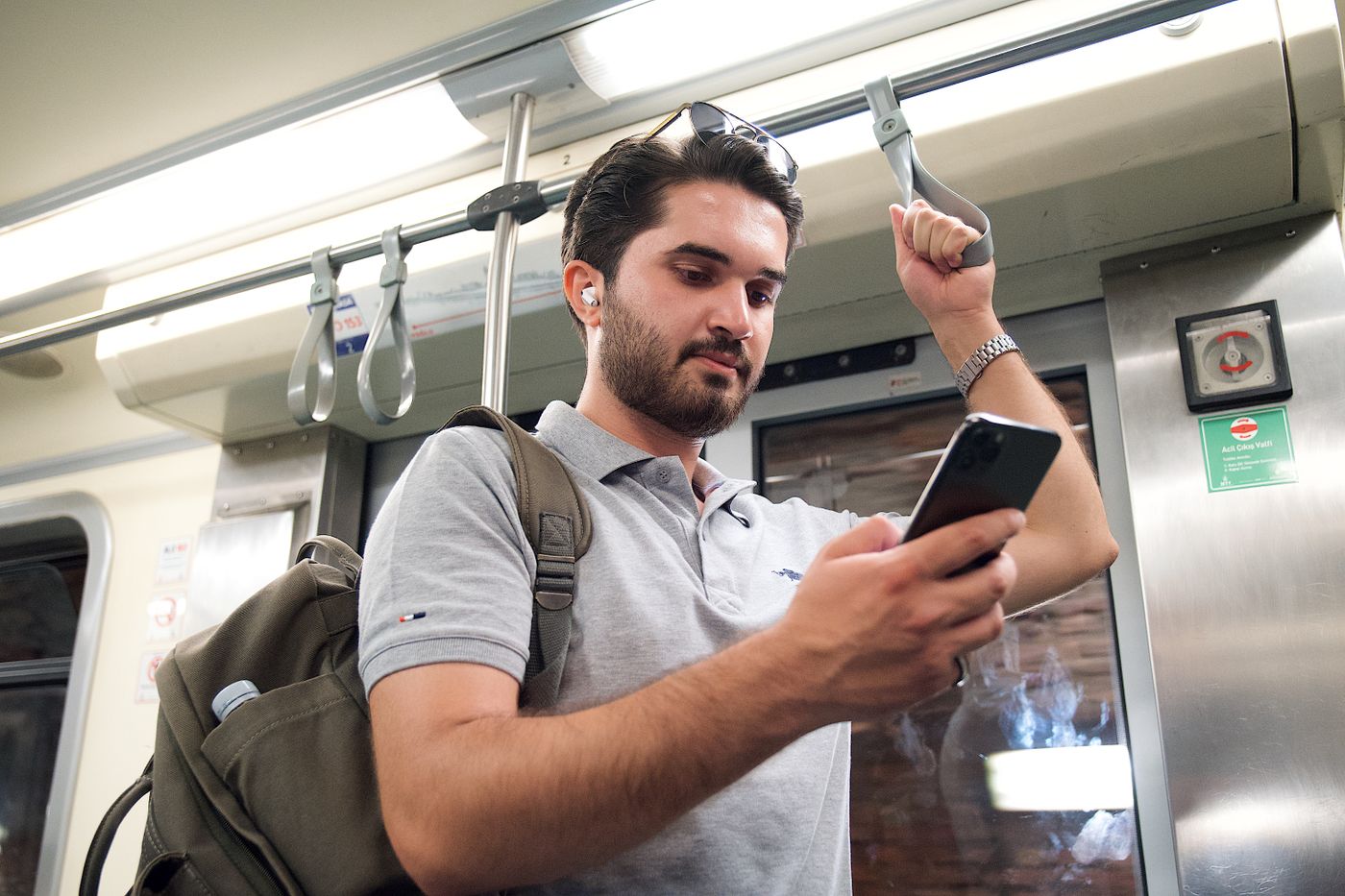
8 wireless earbuds hooks to test this week
These hooks are adapted from buyer pains and decision points. Pair each with footage that proves the specific point, and only use claims that match your product.
“Tired of earbuds that hurt after an hour?”
Best for: small-ear comfort, show soft tips and compact fit“Your expensive earbuds may not be worth the extra cost.”
Best for: value-focused buyers, show the actual price and sound demo“I lost another pair. This time I checked how replacement works first.”
Best for: loss-prone buyers, show the real locate or replacement option“Runners: tired of stopping to push your earbuds back in?”
Best for: sport fit, show a shake-and-run test“Why does one side always seem to quit first?”
Best for: durability doubts, show the actual warranty terms“Battery running out before your meeting does?”
Best for: battery concerns, show stated hours and supported quick charging“My old pair died before a client call, so I keep a backup ready.”
Best for: replacement buyers, show pairing and the case“Can you quiet the noise and still hear what’s around you?”
Best for: ANC and awareness, show the mode toggle and sound changeTest two hooks against the same footage so the message is what changes. Keep the edit and audience steady, then use the response to decide which angle deserves another creative.
Score your current wireless earbuds ad
Open the ad you’re spending on and tick only what the viewer can actually see. A feature hidden on the product page doesn’t count as on-screen proof.
Your ad shows 0 of 6.
Fewer than four ticks? Pick the unanswered doubt most connected to the offer, and make your next version show proof of that one point.
If your wireless earbuds ads are already running flat: what to do now
Don’t change everything at once. Use buyer questions and visible proof to make each new version easier to evaluate.
- Read comments and messages. If people ask about fit, battery or a missing bud, write down the exact doubt and answer it on camera.
- Replace the feature-list opener. Start with a real moment, such as one side fading before a call, and keep the rest of the edit for comparison.
- Add a proof shot. Film a run test, connection walk-away or mode toggle that matches the product’s actual capabilities.
- Separate the buyer situations. Make one version for runners and another for students or workers, rather than cramming every angle into one ad.
- Put the practical terms in view. Show the price and accurate warranty, replacement or charging details instead of burying them.
A look inside a full AngleBrief report: buyer groups, hooks and the angle test matrix.
FAQ
What should a wireless earbuds ad show first?
Lead with the buyer’s immediate problem, then show the matching proof. For a runner, that could be a shake-and-run test. For someone replacing a dead pair, show the new buds connecting and make the offer details clear.
Should I lead with sound specs or comfort?
Choose the angle that matches the buyer. Small-ear and all-day wear audiences need a fit and comfort demonstration. Sound-focused buyers need a short audio comparison or demo, not just a spec list.
Which wireless earbud buyers can I target?
Examples include runners, gamers, students, workers in loud jobs, all-day wearers, older buyers and people seeking a first pair. Give each audience a distinct use situation and visual.
How do I make an ANC ad more convincing?
Show the ANC control and a real change in the sound environment. If the product also has transparency mode, show that toggle bringing outside sound back. Don’t imply a capability the product doesn’t have.
Where does this research come from?
AngleBrief’s buyer research organizes public buyer conversations and decision points into personas, pains, objections, triggers and ad angles for wireless earbuds.
Running ads in another niche? Browse all buyer reports or request research for your niche. You can also preview the Wireless Earbuds report.

Get the full Wireless Earbuds buyer report
Get buyer groups, ranked pains, objections and triggers, plus hooks and an angle test matrix. Use the research to brief your next creative round with a specific buyer and a visible proof point.
Get the report · $24One-time payment · instant access · 7-day refund