Tarot Reading Ad Guide: Buyers, Doubts, and Hooks to Test
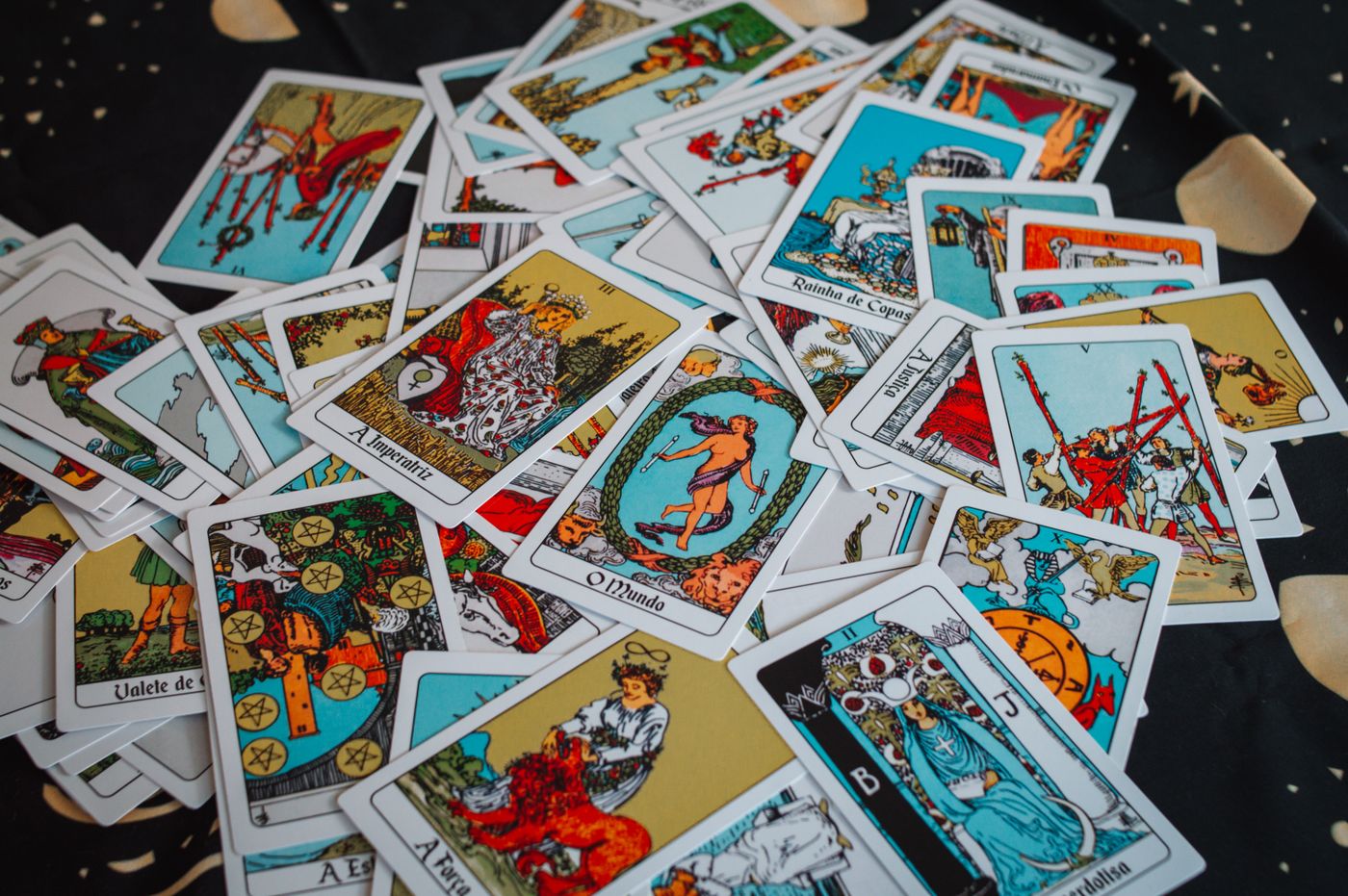
You launch a tarot reading ad with candlelight, a close-up of a card, and the line, “He’s coming back.” The clicks arrive, but the comments ask whether the reader is real, what the session costs, and whether the prediction is guaranteed. Your ad got attention, then gave people three reasons to distrust it.
Tarot buyers often arrive in an emotional pinch: they’re replaying a breakup, alone with a question, or waiting on a decision that feels out of their hands. They want a little comfort and a clear next step, not a grand promise about what someone else will do.
This guide draws on thousands of public buyer conversations and hundreds of competitor ads. You’ll see who buys, what makes them hesitate, and eight hooks to test with a visible answer to the doubts behind each one.
Why prediction-led tarot ads lose trust
A specific promise can sound compelling in a scroll: “They’ll text you tonight.” It also repeats the kind of prediction that leaves burned buyers feeling misled when real life doesn’t follow the script. Other viewers worry that the reader is fake, the reading is copied, or the price will appear only after they’ve tapped through.
Give people something they can judge before buying. Put the reader’s face and name on screen, show a submitted question turning into a card pull, and state the offer terms in plain language. For a skeptical viewer, describe tarot as a reflection tool: a way to look at their own feelings or weigh a decision, not proof of a guaranteed outcome.
Four buyers worth targeting first
These four groups bring different questions to a reading. Give each one a distinct opening and on-screen example instead of asking one generic “Need guidance?” ad to speak for everyone.
The freshly heartbroken
They’ve ended a relationship and keep checking an ex’s page, wondering what to make of the silence. They want comfort and room to understand their own feelings.
Ad angle: show a phone with a social feed closing, then a gentle one-card pull for “What do I do with these feelings?” Avoid promising a reunion.
The visa waiter
They’ve applied for a travel or work visa and keep counting the days. The uncertainty is hard, but a reading can’t tell them what the decision will be.
Ad angle: show a calendar and one card on a quiet table. Offer a calm pause and a fast answer to one question while they wait.
The lonely scroller
They want someone to listen without making a big social event of it. A private chat reading can feel easier than explaining everything to a stranger face to face.
Ad angle: show a warm, low-key chat from home, with “no video required” visible if that’s part of your service.
The tarot skeptic
They’re curious but don’t want to spend money on a claim they can’t verify. They may try a reading if it’s framed as a prompt for reflection rather than prophecy.
Ad angle: let the reader say, “You don’t have to believe in it to use it as a conversation starter,” then show a free first reading with no card required if offered.

The doubts to answer on camera
These are not objections to wave away with “trust us.” Put proof in the frame: a real person, the actual terms, or a sample that connects to a specific question. Keep the promise within what your service can deliver.
| What the buyer thinks | What to show on camera |
|---|---|
| “Is this a real reader, or a fake profile?” | The named reader speaking to camera, with a reader profile and verifiable reviews visible where available. |
| “Will this be generic filler?” | Show a sample question, cards pulled for that question, and the reader explaining how the answer connects to it. |
| “Are you going to promise something that won’t happen?” | Show copy that says the reading explores possibilities or feelings, not guaranteed outcomes. |
| “What will I actually pay?” | Put the exact menu or under-$10 option in the ad itself, rather than hiding it behind a click. |
| “Will I be pressured to pay before I know what I’m getting?” | Show the free first-reading terms, including “no card required,” or clearly explain when payment happens. |
Notice that each answer is something a viewer can see. “Authentic,” “accurate,” and “life-changing” are labels, not evidence. A reader explaining a real question on camera gives the buyer a better way to judge the experience.
The moments that start a purchase
A tarot ad often meets someone after a specific moment has made a question feel urgent. Name that moment with care, then offer a grounded next step rather than exploiting the person’s uncertainty.
- A fresh breakup. They catch themselves checking an ex’s socials again and want help sitting with their own feelings.
- A decision is pending. A visa response or career choice is hanging over them, and they want a calmer way to consider their options.
- A lonely evening. They want a warm conversation and a listener, without having to go out or perform socially.
- A friend shares a reading. A friend’s experience makes the idea feel less unfamiliar, so offer a clear way to try it themselves.
- A new deck arrives. They open the box, look at the cards, and want a simple guide to getting started.

8 tarot reading hooks to test
These hooks adapt the buyer concerns in the research. Pair each one with a matching proof shot from the doubts table. Keep the language reflective and avoid promising what another person will do or what an institution will decide.
“Broke up last month and still checking your phone? Start with what you need tonight.”
Best for: fresh heartbreak, with a gentle one-card pull“Tarot won’t tell you if they’re the one. It can help you hear what you want.”
Best for: skeptics and relationship uncertainty“Free first reading. No card required. Bring one question.”
Best for: cautious first-time buyers, if those terms apply“Ever paid for a reading that could’ve been about anyone? Watch how this one starts with your question.”
Best for: buyers wary of copy-paste readings“How do you check who’s behind a tarot reading before you pay?”
Best for: scam concerns, with a real reader profile on screen“One question. One card. Under $10, with the price shown up front.”
Best for: price-conscious buyers, only if your offer matches“Visa decision pending? Take five calm minutes to consider what’s in your hands.”
Best for: people waiting on an outcome, without predicting it“A gentle reading can include the hard parts, without turning them into a certainty.”
Best for: buyers wary of heavy or sugar-coated readingsTest two hooks against the same reader, question, and card-pull footage. Change the opening line and its matching text on screen, then compare how people respond. Don’t change the price, format, and promise all at once or you won’t know what the viewer reacted to.
Score your current tarot reading ad
Open the ad you’re spending behind and tick only what appears in the creative itself. A detail hidden on the booking page doesn’t answer a doubt in the scroll.
Your ad shows 0 of 6.
Every empty box points to a doubt the buyer still has to resolve alone. Start with the missing detail that appears most often in your comments or messages, then make that answer visible in the creative.
If your tarot reading ads are already running flat: what to do now
Don’t answer a trust problem by turning up the drama. Work through these changes one at a time, and keep the message respectful when someone is already feeling vulnerable.
- Read the replies and messages. If people ask who the reader is, what it costs, or whether the prediction is guaranteed, those are your next proof shots.
- Replace the outcome promise. Change “They’ll come back” to an honest reflection angle, then show the question the reading explores.
- Put the offer terms on screen. Show the actual price, format, and any free-trial conditions before asking for a click.
- Film the reader and process. Let the named reader pull cards for a sample question and explain how the response is personalized.
- Split creative by moment. Make one version for a breakup, one for waiting on a decision, and one for a private, low-pressure conversation.
A look inside a full AngleBrief report: buyer groups, objections, hooks, and an angle test matrix.
FAQ
What should a tarot reading ad show first?
Start with a buyer’s real question or concern, then show the reader and a relevant part of the process. For someone wary of scams, show the named reader and price. For a skeptic, frame the reading as reflection rather than prophecy.
Can I use a hook about an ex?
You can speak to the feeling of a breakup, but don’t promise that an ex will return or claim to know what they think. Show a gentle question focused on the viewer’s own feelings and next steps.
How do I make a tarot offer feel less risky?
Show the real reader, explain the reading format, and put the exact price and terms in the ad. If you offer a free first reading, state whether a payment card is required and avoid adding pressure.
How many hooks should I test at once?
Test a small pair with the same footage and offer. That gives you a clearer read on the opening message than changing the hook, reader, price, and video together.
Where does this research come from?
It’s based on public buyer conversations and competitor ads, organized around the questions, doubts, and purchase moments people describe. It is a source of creative angles, not a promise that any ad will perform a certain way.
Running ads in another niche? Browse all buyer reports or request research for your niche. You can also preview the Tarot Reading report before you buy.

Get the full Tarot Reading buyer report
Get the buyer groups, ranked concerns, objections, triggers, hooks, and angle test matrix in one report. Use it to brief a creative round with a clearer idea of what the viewer needs to see.
Get the report · $24One-time payment · instant access · 7-day refund