Sneakers Ad Hooks: Buyer Angles, Doubts, and Proof to Test
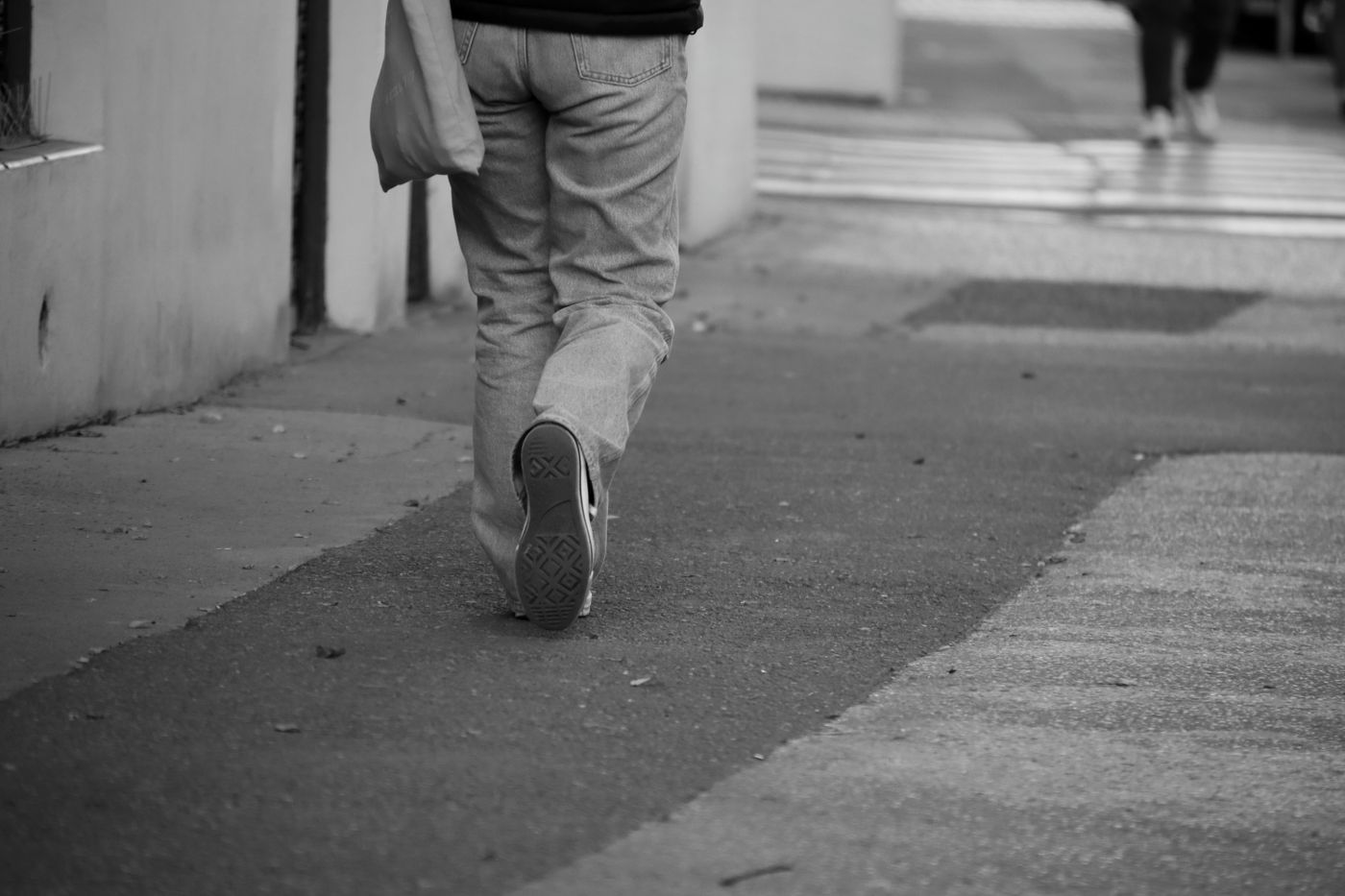
You launch a sneaker ad with a slow-motion product spin, a clean white backdrop and the line “All-day comfort.” The video gets watched, but the comments ask the same question: “Do these run narrow?” One shopper adds that they’ve ordered the wrong size online before. Your ad looks polished, but it hasn’t answered the reason they hesitate.
That’s the buying decision in this niche. People aren’t only choosing a color or chasing a look. They’re picturing a long shift, a wide toe box, a sore heel, or a trip where one pair has to carry them through the day.
This guide gives you a buyer-behavior playbook for e-commerce, DTC, dropshipping and affiliate advertisers in sneakers. You’ll see who to speak to, what buyers doubt, which moments can trigger a search and eight hooks to test with clear visual proof.
Why polished sneaker ads still don't sell
A glossy shoe shot can make a sneaker look desirable, but it doesn’t tell a shopper whether the toe box will pinch or the sole will feel heavy after a long day. Buyers describe practical problems: aching feet after standing, heel discomfort, unusual foot shapes and shoes that wear out too quickly. A broad “comfortable” claim leaves those concerns untouched.
Fit anxiety is especially hard to resolve through a screen. A shopper may wonder whether to size up, whether a wide option is truly wide, or whether an exchange will become a chore. Another wants to know if the shoe can move from the commute to the office, or from the gym to a walk. Show the specific use, not just the silhouette.
Four buyers worth targeting first
The report maps ten buyer groups. These four give you distinct creative starting points: a demanding daily routine, a fit problem, a work wardrobe and a versatile style choice. Give each its own opening and proof shot.
The everyday runner and gym-goer
They train often and want cushioning, grip and a light feel in one pair for workouts and miles outside.
Ad angle: cut from a gym set to a road run, showing the same shoe gripping the floor and cushioning a landing. Keep the message on function, not brand hype.
The office commuter
They need a neat sneaker that works with a dress code, then feels comfortable on the city walk to work.
Ad angle: show the shoe with slacks and a button-down, followed by a brisk sidewalk commute. Call out clean, solid-color options.
The 12-hour standing pro
Nurses, teachers and service workers spend long stretches on hard floors and want cushioning that holds up through a shift.
Ad angle: open with the shift, then show the cushioned sole and a worker moving between tasks. Don’t imply a medical result.
The wide-foot buyer
They’ve tried shoes that pinch and may have sized up without solving the tight toe box. A true wide fit matters more than a trend.
Ad angle: film a wide foot sliding in, then show the toes spreading in the labeled wide option. Put size guidance and the exchange promise on screen.
The doubts to answer on camera
These are practical questions, not abstract objections. If the shopper can’t see the answer, they have to take your caption on faith. Film the fit, material or movement that makes the claim believable.
| What the buyer thinks | What to show on camera |
|---|---|
| “Will the online size be wrong?” | Show the size guide, explain whether the fit runs true, and display the easy-exchange promise beside the shoe. |
| “Is this actually wide, or just a bigger size?” | Show a wide foot in the labeled wide fit, with toes visibly relaxed in the toe box. |
| “Will my feet feel tired after hours?” | Press the cushioning close-up, then show a long walk or a worker moving through a shift. |
| “Will it fall apart after a season?” | Turn the shoe over to show the sole, stitching and materials, then put the warranty or durability promise on screen. |
| “Is it too loud or hard to match?” | Show the same clean colorway with jeans, workwear and a dress, rather than a single styled product shot. |
Words like “supportive” and “durable” are hard to judge by themselves. A close-up of the arch structure, a flex test, or the sole beside visible stitching gives the viewer something specific to inspect. Keep the exchange terms clear, too: fit confidence can matter more than another discount banner.
The moments that start a purchase
A sneaker search often begins when a routine changes or an old pair stops doing its job. Match the first line and scene to that moment, rather than treating every shopper like they’re browsing for a new color.
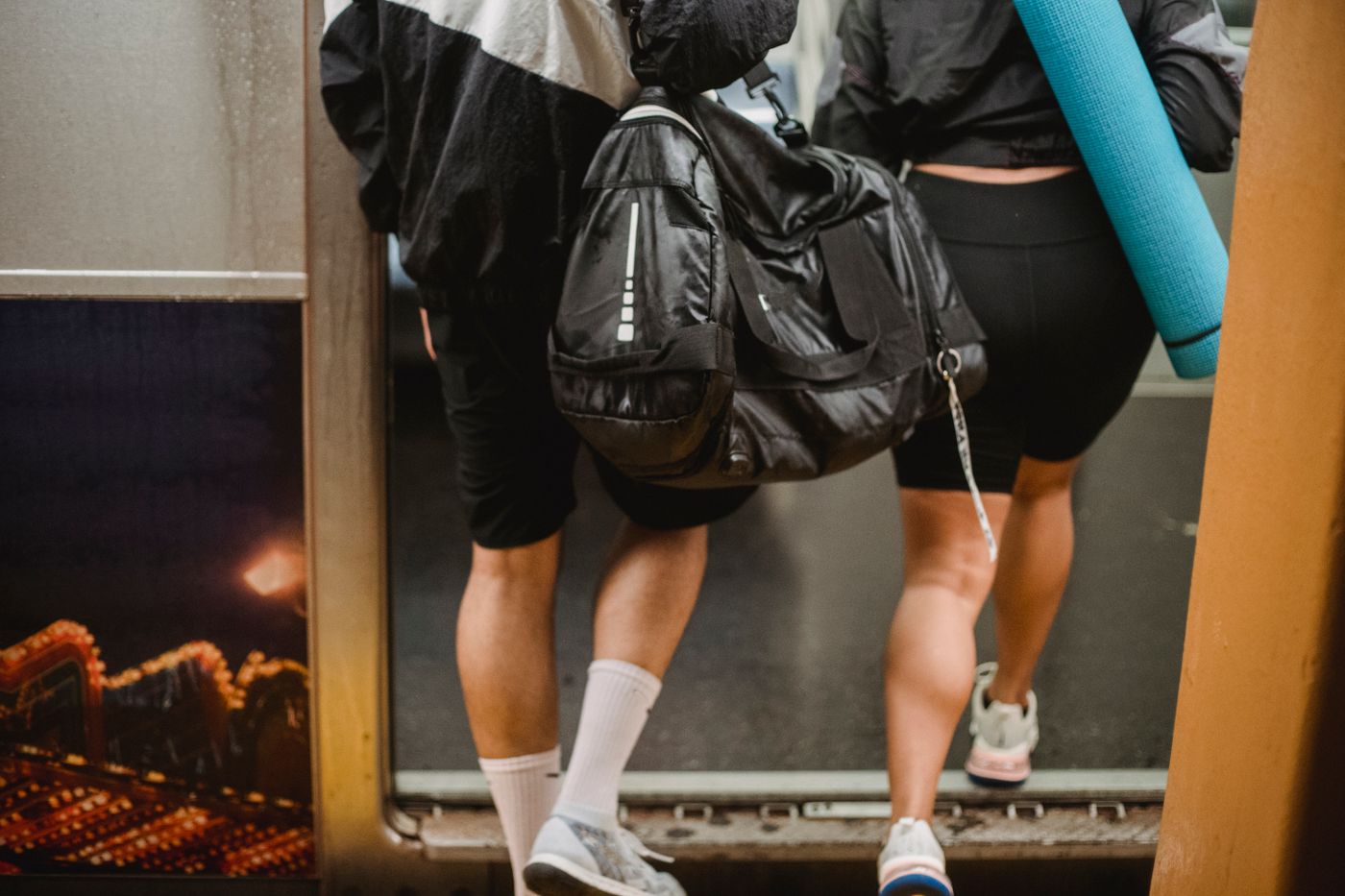
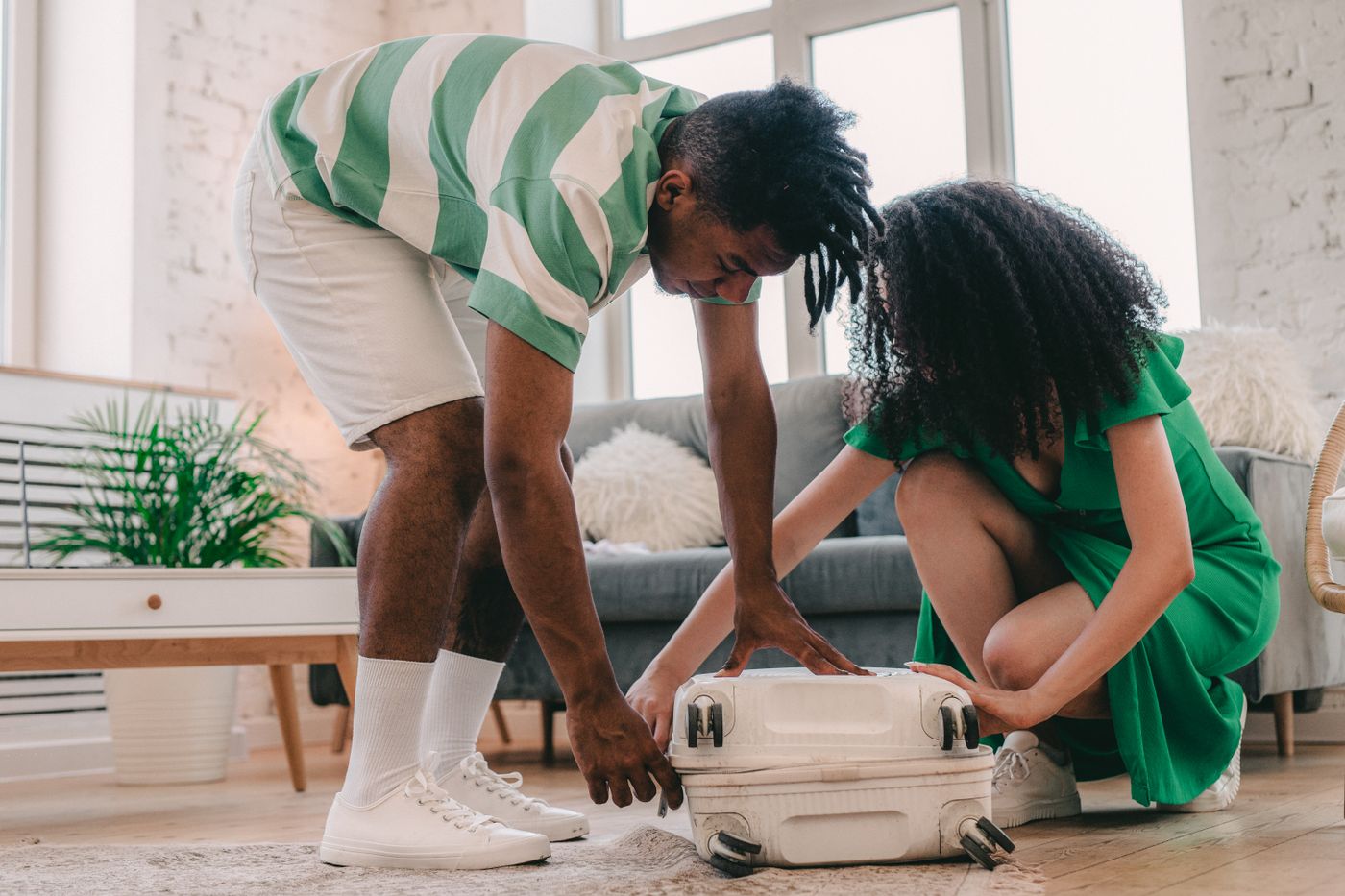
- Getting ready to travel. Show a suitcase, a packed pair and a day of walking ahead. Make the case for one versatile, cushioned shoe.
- Starting a new job. Film a clean outfit and a confident walk into an office, with a shoe that looks appropriate and feels like a sneaker.
- Replacing a worn-out pair. Put the beat-up old shoe beside the new one and show the sole, materials and fit details that make the upgrade clear.
- Moving to a new home. Show boxes, stairs and repeated trips outside, then connect the scene to durability and all-day comfort.
- Preparing for a wedding or event. Style the shoe with a dressier outfit and show the buyer checking that it works with the look before leaving.
8 sneaker hooks to test
Each hook below comes from a buyer pain, doubt or trigger. Pair the line with visible proof from the doubts table, and avoid turning support into a promise to treat or cure pain.
“Why do your feet hurt by 3pm: the shoes, or the walk?”
Best for: long-wear comfort, with a shift or walking scene.“Comfortable sneakers should show their work. Here’s the cushioning and grip.”
Best for: runners and gym-goers, with a landing and grip demo.“Wide-foot buyers: stop sizing up and squashing your toes.”
Best for: true wide fit, with toes shown inside the wide toe box.“Standing all day and your heel still throbs? Check the support before you buy.”
Best for: standing workers, with an honest cushioning close-up.“He packed one pair for the trip, then wore it from the airport to the long walk.”
Best for: travel versatility, with a packed bag and walking footage.“Tired of guessing your size online? See the guide before you order.”
Best for: fit confidence, with the sizing chart and exchange terms.“Sweaty feet aren’t a you problem. Check the material and airflow.”
Best for: breathability, with fabric and airflow details on camera.“New job? Walk in with a clean look that still feels like a sneaker.”
Best for: office commuters, with workwear and a city walk.Test hooks in pairs with the same footage, so the message is the main change. Keep the audience and product details consistent, then compare which opening earns a stronger response before you build the next variation.
Score your current sneaker ad
Open the ad you’re running now and tick only what a viewer can actually see. A benefit buried in the product page doesn’t count as proof in the video.
Your ad shows 0 of 6.
Fewer than four ticks? You’ve likely left fit, function or context for the shopper to guess. Add one piece of proof at a time, starting with the concern your audience raises first.
If your sneakers ads are already running flat: what to do now
Don’t change the whole campaign at once. Use buyer questions to find the missing proof, then make one clear creative change at a time.
- Read comments and messages. If people ask whether the shoe runs narrow or how exchanges work, put the answer in the ad itself.
- Replace the generic opener. Swap “all-day comfort” for a specific line about wide fit, a long shift, a trip or an old pair wearing out.
- Add a close-up proof shot. Show the toe box, cushioning, arch structure or sole construction instead of repeating an adjective.
- Separate the buyer groups. Make a commuter version, a standing-worker version and a wide-fit version, each with footage that fits the message.
- Make ordering feel lower-risk. Put the size guide, true-to-fit note and exchange promise on screen where the shopper can read them.
A look inside a full AngleBrief report: buyer groups, hooks and the angle test matrix.
FAQ
What should a sneaker ad show first?
Start with the buyer’s specific concern or moment. For a wide-foot shopper, show the toe box and fit. For a commuter, show the shoe with work clothes and on a city walk.
How do I answer online size anxiety?
Show a clear size guide, state whether the fit runs true and make the exchange promise visible in the ad. Don’t leave the shopper to search for it after clicking.
Can I make an ad about heel or foot pain?
You can discuss support, cushioning and fit without promising a cure or medical outcome. Show the shoe’s structure clearly and keep the limits honest.
Which sneaker buyer should I target first?
Choose the group your product can serve with visible proof: wide-foot shoppers, office commuters, runners or people who stand through long shifts. Build a separate creative for each need.
Where does this research come from?
The Sneaker Buyer Report organizes public buyer conversations and the supplied research findings into personas, pains, objections, triggers, hooks and purchase criteria.
Running ads in a different niche? Browse all buyer reports or request research for your niche. You can also preview the Sneaker report before you buy.
Get the full Sneaker buyer report
Get the buyer groups, ranked pains, objections, triggers, hooks and purchase criteria behind this guide. Use the findings to brief your next creative round with a clear audience, message and proof shot.
Get the report · $24One-time payment · instant access · 7-day refund