Mens Shirt Ad Guide: Buyers, Doubts and 8 Hooks to Test
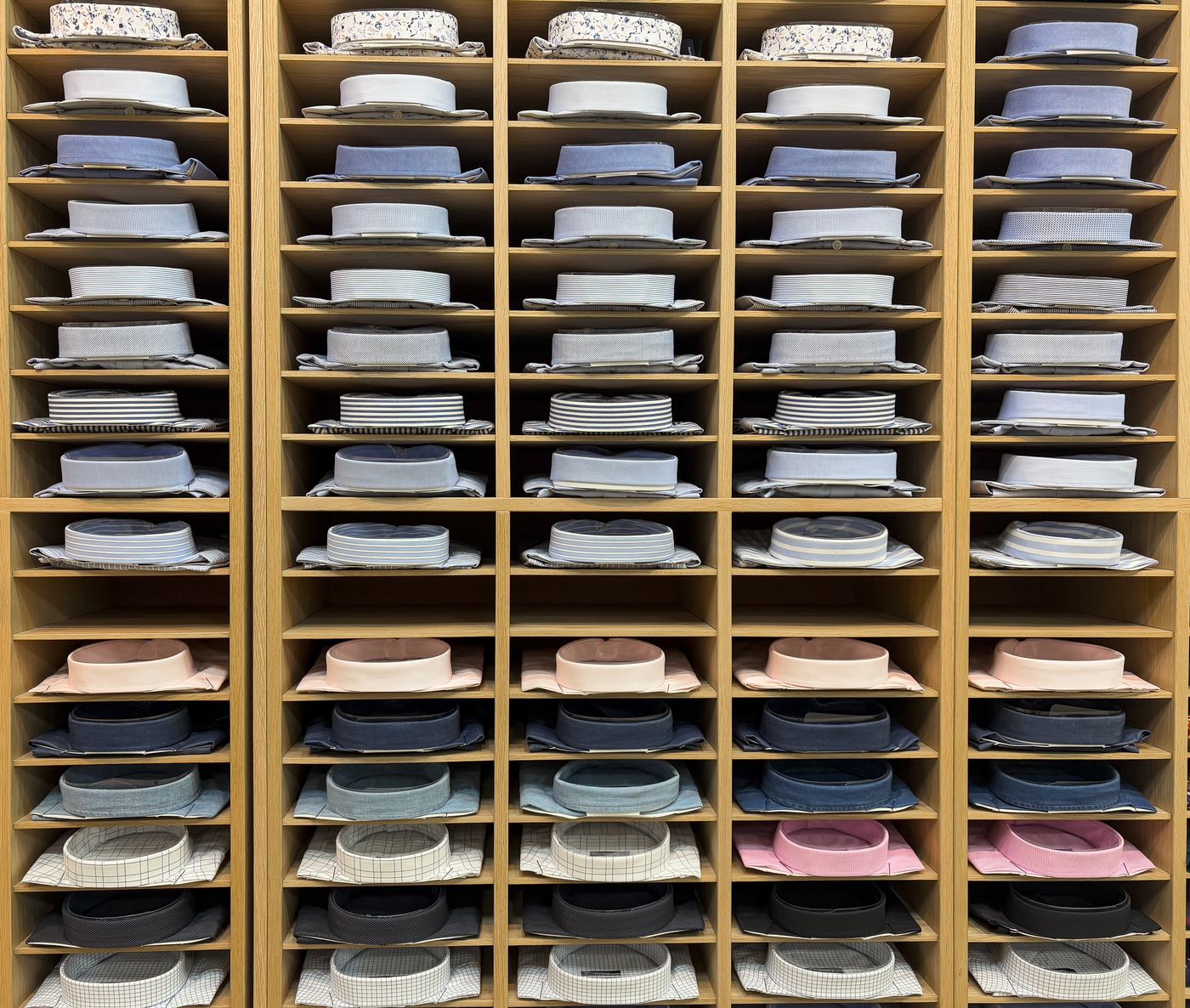
You launch a men's shirt ad with a handsome model, a clean background and a line about effortless style. The clicks come in, but the comments ask whether the shirt runs short, whether the cotton turns see-through, and whether it shrinks in the wash. Your ad has shown a look. It hasn't answered why this person needs a shirt today.
A men's shirt can be a cover-up for a chest or belly, a way to get a longer cut, a replacement for a frayed favorite, or the last item someone needs before a wedding. Buyers want the shirt to fit their body and their moment. Brand language alone doesn't settle those questions.
This guide draws on a market-research briefing to help you choose an audience, put the buyer's doubts on camera and test eight hooks. You'll see why real measurements, fabric proof and a clear buying moment belong in the creative, not only on the product page.
Why polished men's shirt ads still miss
A smooth lifestyle shot can show the color and styling, but it can't tell someone whether the hem covers his stomach when he reaches for a shelf. A buyer who has had shirts shrink or cling wants to see fabric thickness, length and shape in use. Someone shopping for a gift wants to know how to choose a size without guessing.
That makes the shirt less of an abstract fashion choice and more of a practical answer to a body problem or deadline. A person may want a higher neckline and opaque fabric, room through the shoulders, or a cut that drapes over a bump without looking like a tent. If your ad says only “premium” or “everyday style,” the buyer still has to imagine the fit.
Four buyers worth targeting first
The briefing identifies several distinct audiences, from slim-build shoppers to men who want a neat drape over a belly. Start with one buyer per creative. These four have clear needs you can demonstrate on screen.
The Binder Wearer
A trans man or transmasc person wants a relaxed, not baggy, shirt that feels comfortable over a binder and hides seams.
Ad angle: show a flat silhouette in a moderately thick shirt, then zoom in on the smooth seams and how the shirt sits over the binder.
The Escapee From Women's Sizing
She's tired of women's tops that are thin, short or cut low. She wants a higher neckline, more length and reliable coverage.
Ad angle: hold a thin, short top beside the thicker, longer shirt, then show the shirt in daylight so coverage is easy to judge.
The Expecting Mom
She wants a shirt that covers her bump and feels relaxed without hanging like a tent. A standard cut may pull up or feel tight.
Ad angle: show the shirt on a pregnant wearer from the front and side, with the hem covering the bump and the fabric draping instead of clinging.
The Stand-In Buyer
A partner, child or relative is buying for a man and worries that the size or cut won't suit him.
Ad angle: open with “Buying for him?” Show how to measure a shirt he already owns and put shoulder, length and body measurements beside fit photos.
The doubts to answer on camera
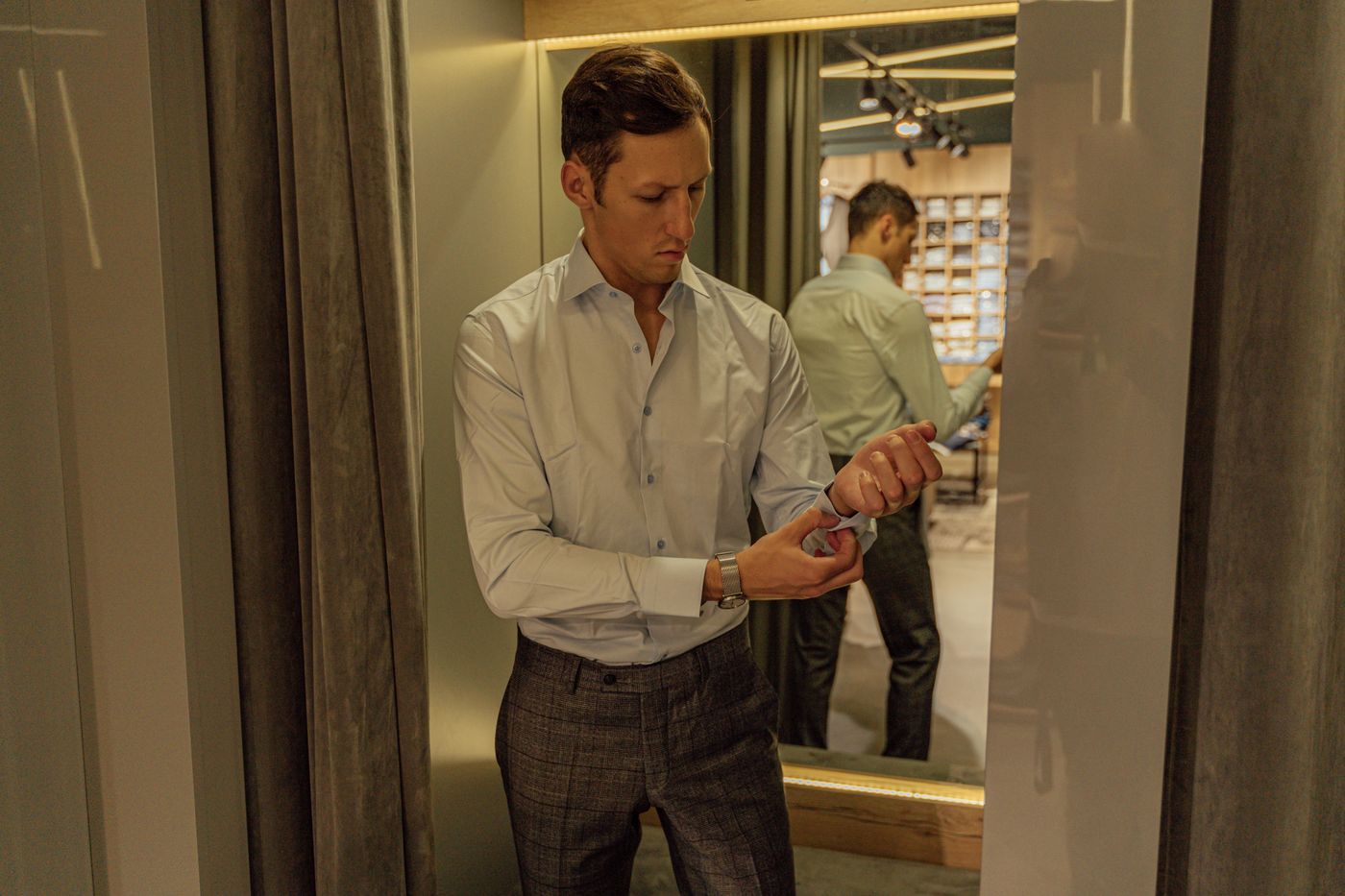
A size or fabric claim is easier to trust when the video shows what it means. Film the proof in a way a buyer can inspect: a tape measure against the hem, a close-up of the weave, or the shirt moving on a real body.
| What the buyer thinks | What to show on camera |
|---|---|
| “The size chart is wrong, and my usual size may be tight.” | Measure chest, shoulder and shirt length on screen; add “size up when you're between sizes.” |
| “It'll shrink after the first wash.” | Show the wash and dry instructions, then compare the shirt's measurements before and after washing only if you can substantiate the result. |
| “The fabric will be thin or see-through.” | Hold the fabric up in daylight, show its weight or cotton content, and film the shirt worn in bright light. |
| “It'll cling to my belly or ride up when I move.” | Show a straight cut from the side, then have the wearer reach overhead and bend so the hem and drape are visible. |
| “This costs more than I can spend, and the quality may not match.” | State the actual price clearly, then show the stitching, fabric and seams buyers can inspect before ordering. |
Don't promise a wash result or fabric feature that your product can't prove. If you claim pre-shrunk cotton or shape retention, make sure the product details and the footage support it. A close-up of the fabric and a clear measurement chart are stronger than another “premium quality” overlay.
The moments that start a purchase
Give the ad a reason to appear now. Use the event or problem that brought the buyer to the product, and make any delivery or offer deadline specific and accurate.
- A wedding is coming up. Show a guest or groomsman checking the shirt with his outfit, and speak to choosing it before the day.
- The old shirt is frayed. Film a worn collar or split seam beside the replacement, then show the new shirt ready to wear.
- A gift deadline is close. Put the measuring guide and size chart on screen for the relative buying a shirt for him; state a delivery cutoff only when confirmed.
- A limited offer is about to end. Show the real end date or countdown, not a rolling urgency claim that never expires.
- A shirt doesn't cover the body comfortably. Show a wearer checking the hem, neckline or shoulder fit in a mirror, then show the alternative cut in motion.
8 men's shirt hooks to test
Use these as starting lines, not as permission to claim features your shirt doesn't have. Pair each opener with visible proof from the doubts table, and keep the product and offer details accurate.
“Buying a shirt for him and worried you'll get the size wrong?”
Best for: gift buyers, with a measuring guide“A shirt built for coverage. See how the fabric looks in daylight.”
Best for: shoppers concerned about opacity, if the fabric supports it“She got tired of women's tops that were short, thin and low-cut.”
Best for: women looking for more coverage“Big and tall? Check shoulder width and shirt length before you order.”
Best for: tall and heavier buyers, with real measurements“Does your shirt shrink or lose its shape after the wash?”
Best for: replacement shoppers, with substantiated wash proof“Thick cotton, clear sizing, and the price shown up front.”
Best for: value buyers, when those product details are accurate“Pregnant and need a shirt that covers the bump without the tent shape?”
Best for: expecting moms, with on-body drape footage“Wedding coming up and still looking for a shirt that fits?”
Best for: wedding guests and wedding-party buyersTest hooks with the same footage when you can, so the message is the main change. For a sizing opener, show the tape measure. For a fabric opener, show the shirt in daylight. Keep claims such as shrink resistance, cotton content and delivery timing tied to what you can verify.
Score your current men's shirt ad
Watch your strongest ad with the sound off. Tick a box only when the viewer can actually see the proof, not when the caption says it exists.
Your ad shows 0 of 6.
Fewer than four ticks? Your viewer may still be guessing about fit, fabric or value. Choose the biggest unanswered question and build one proof shot around it before changing everything else.
If your mens shirt ads are already running flat: what to do now
Don't replace the whole campaign at once. Start with the questions people already raise and make one clear creative change at a time.
- Read comments and messages. If people ask whether it runs short or shrinks, use that exact concern to guide your next video.
- Change the first line. Swap a generic style opener for one buyer and one moment, such as a gift shopper checking his size.
- Film a proof shot. Put a tape measure beside the hem or show the fabric in daylight, rather than adding another unsupported quality claim.
- Separate the audiences. Make distinct versions for gift buyers, people seeking coverage and shoppers who need a longer fit.
- Make sizing easier to judge. Show the body measurements and how to measure a shirt that already fits; make any exchange policy easy to find.
A look inside a full AngleBrief report: buyer groups, hooks and the angle test matrix.
FAQ
What should a men's shirt ad show first?
Lead with the buyer's immediate question. For a gift buyer, show how to measure him or a shirt he owns. For someone worried about coverage, show the shirt in daylight on a wearer, not only a folded product shot.
Which men's shirt buyers are easy to overlook?
The research includes binder wearers, people who leave women's sizing for more coverage, expecting moms, big and tall shoppers, chest-conscious men and relatives buying gifts. Give each audience its own fit demonstration.
How can I answer the shrinking objection?
Show care instructions and make a shrink-resistance or shape-retention claim only if you can substantiate it. A before-and-after wash demonstration should use the actual product and a clear, accurate process.
What should I show for a sizing concern?
Put real garment or body measurements on screen and show how to measure. If your guidance is to size up between sizes, state it plainly and make sure it matches the product's fit.
Where does this research come from?
AngleBrief's market-research briefing groups buyer personas, pains, objections, triggers, hooks and purchase criteria for men's shirts. Use those patterns to shape tests, then verify every product claim against your offer.
Running ads in another niche? Browse all buyer reports or request research for your niche. You can also preview the Mens Shirt report before you buy.

Get the full Mens Shirt buyer report
Get the buyer groups, ranked pains, objections, purchase moments, hooks and angle test matrix in one report. Use it to brief a creative round built around fit, coverage and the buyer's reason to shop now.
Get the report · $24One-time payment · instant access · 7-day refund