Meal Plan Ad Hooks: Buyer Doubts, Angles and Tests

You launch a meal plan ad with bright overhead shots of colorful bowls, a quick montage of ingredients and a promise to eat better. You set the campaign live, then watch people click through and hesitate. One comment asks, “How much does this actually cost?” Another wants to know if the recipes fit a family. Your ad has shown dinner, but not the answers buyers need before they pay.
Meal-plan buyers are often trying to solve the same daily problem: what to eat, what to buy and how to avoid spending money on food that goes unused. A pretty plate can catch the eye, but it can't prove that the plan fits their kitchen, budget or routine.
This guide draws on thousands of public conversations about meal plans. You’ll see four buyer groups, the doubts worth answering on camera, and eight hooks to test. The strongest creative makes the plan feel specific and usable, with clear costs, steps and options rather than a vague promise.
Why pretty meal plan ads still don't sell
Food photography shows what a meal might look like. It doesn't show whether the buyer can make it after work, afford the ingredients, adapt it for a picky child or find the quantities on the recipe card. Buyers aren't only browsing recipes. They're looking for relief from planning and a way to make their food spending feel more predictable.
Price is often the first hurdle, while personalization is the test of whether the plan is worth paying for. If your creative says “healthy meals made easy” but shows no price, shopping list or swap, the buyer has to imagine the hard parts. A screen recording of a meal changing after you select an allergy or taste preference can answer more than another slow-motion forkful.
Four buyers worth targeting first
The research maps more buyer groups, but these four give you distinct creative starting points. Keep the message focused: a student's budget problem and a parent's dinner problem need different scenes and proof.
The self-funded dorm student
They have a tight food budget, limited cooking gear and may already be paying campus meal fees. They need meals that work with a microwave, kettle or mini fridge.
Ad angle: show a simple dorm plate and its per-meal cost, then the same week’s food beside a campus fee notice. Make the payment terms clear.
The family cook
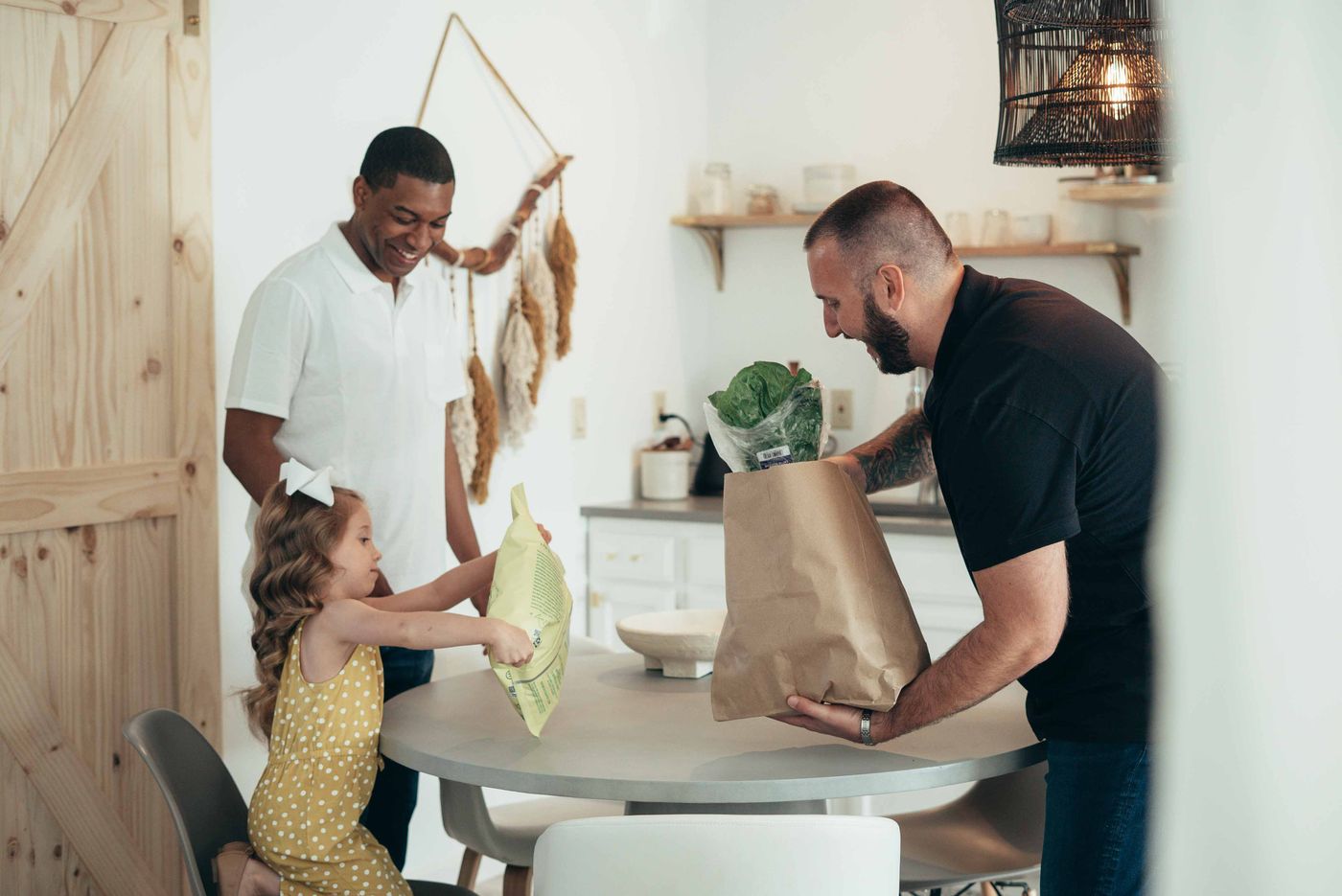
They’re trying to feed adults and children without making separate dinners or repeating the same few meals. Picky eaters and little time make planning harder.
Ad angle: show one weekly plan with a child-friendly swap and a short recipe card. Let the screen read, “One plan, fewer dinner arguments.”
The GLP-1 meal planner
They’re concerned about getting enough protein while appetite is affected by medication. Guessing portions or macros can make meals feel harder to plan.
Ad angle: show a protein-forward day with nutrition information visible on each meal. Avoid promising a particular body result.
The solo busy professional
They work long days and make every food decision alone. Large recipes can leave leftovers they don't want or ingredients that spoil.
Ad angle: show a single-serving week and a grocery list sized for one. Put the list beside a fridge with only the ingredients needed.
The doubts to answer on camera
Don't leave a buyer to take your word for it. Put the answer in the frame: a cost breakdown, a recipe card or a plan changing to match a preference. Keep claims tied to what the product can show and deliver.
| What the buyer thinks | What to show on camera |
|---|---|
| “This is too expensive for my budget.” | Show the actual plan price and a clear per-meal calculation beside a takeout receipt or grocery items. Don't imply savings you can't document. |
| “It’ll give me the same generic meals as every other plan.” | Select a goal, food preference or allergy in the profile, then show the plan updating with familiar dishes. |
| “The app will be clunky, and the list won’t sync.” | Record one tap building a grocery list from the chosen week, then show the list on screen. Mention a free trial only if the offer has one. |
| “The recipes are complicated, and I can’t swap anything.” | Film a recipe card with three clear steps, then tap a meal swap and show the replacement ingredients. |
| “There’ll be missing nutrition details or surprise charges.” | Zoom in on quantities and nutrition labels, then show the full price and billing terms on the same screen. |
“Easy,” “personalized” and “affordable” are labels, not proof. A visible three-step recipe makes ease concrete. A selected allergy and changed menu demonstrate personalization. A plain price screen lets the buyer judge affordability for themselves.
The moments that start a purchase
Meal plans often enter the picture after a routine, deadline or referral changes. Match the opening scene to that moment instead of addressing everyone with the same food montage.
- A spring reset. Show someone opening a weekly calendar and filling it with meals as they set a new routine.
- A summer date on the calendar. Put the trip or event reminder on screen, then show a realistic week of meals. Avoid promising a particular body change by the date.
- A trainer’s suggestion. Show a workout schedule next to a meal plan, with the line, “Your trainer built the workouts; now plan the plate.”
- A care referral. Show a person reviewing food options alongside appointment notes. Position the plan as a companion to professional care, not a replacement.
- A frustrating grocery shop. Show wilted vegetables and an overfilled cart, then a short list built around meals for the coming week.
8 meal plan hooks to test this week
These hooks draw on buyer pains and objections in the research. Pair each opener with a scene that proves the point, such as a real list, meal card or profile adjustment. Keep health and weight language factual and avoid promising outcomes.
“Still staring into the fridge at 7 p.m. with no idea what’s for dinner?”
Best for: decision fatigue, show the open fridge and a ready week“What if Sunday took 20 minutes instead of your whole afternoon?”
Best for: busy planners, show a short setup and the completed week“I used to throw out half the vegetables I bought. Then I changed one thing.”
Best for: food waste, show leftover produce beside a planned list“You don’t need to know how to cook. You need a plan.”
Best for: beginner cooks, show a simple three-step recipe“Busy parents: real dinner in 20 minutes, no 12-step recipes.”
Best for: family cooks, show a short recipe and child-friendly swap“Why does every one-person household cook food that just spoils?”
Best for: solo professionals, show single portions and a small grocery list“Meal plans fail for one reason: they were built for someone else.”
Best for: personalization, show a profile changing the menu“Recovery means structure, not pressure or guilt.”
Best for: recovery buyers, show balanced meals and a gentle, non-restrictive planTest hooks against the same visual when you can, so the opening line is the main change. Keep claims grounded in the plan itself: visible ingredients, portions, prices and available features.
Score your current meal plan ad
Open your current ad and tick only what a viewer can actually see. A caption claim or a feature hidden on the landing page doesn't count as on-screen proof.
Your ad shows 0 of 6.
Fewer than four ticks? The next steps help you add proof without rebuilding the entire campaign at once.
If your meal plan ads are already running flat: what to do now
Before changing budgets, find the specific question your creative leaves unanswered. Then make one clear edit at a time, so you can tell what changed.
- Read comments and messages. Mark every question about price, subscriptions, food preferences or cooking effort. Those are clues to the missing proof.
- Replace the broad opener. Swap “eat better” for a specific pain, such as the 7 p.m. dinner decision, and keep the rest of the video the same.
- Add a practical proof shot. Film a grocery list building from the week, a meal swap or a three-step recipe card.
- Separate the buyer messages. Make one version for a student’s food budget and another for a family’s short dinner window. Don't combine both promises in one opening.
- Make the terms visible. Show the actual price, payment frequency, trial availability and whether a subscription applies. Avoid suggesting a free trial or one-time payment unless it’s true.
A look inside a full AngleBrief report: buyer groups, objections, hooks and an angle test matrix.
FAQ
What should a meal plan ad show first?
Lead with a recognizable problem and show the plan solving a practical part of it. For a busy parent, show a short dinner recipe and a family-friendly swap. For someone who eats alone, show portions and a grocery list sized for one.
How do I make price a stronger part of the ad?
Display the real price and explain the calculation if you show a per-meal figure. You can compare it with takeout or grocery waste only when the comparison is clear and supported by the example on screen.
How can I show that a meal plan is personalized?
Record the actual setup: choose a food preference, allergy or goal, then show how the menu changes. Don't call a generic template personalized without demonstrating a real adjustment.
Can I make weight-loss or health claims?
Keep claims compliant and tied to the offer. Avoid promising weight loss, muscle preservation or treatment outcomes. You can show available nutrition information and describe the plan's features accurately.
Where does this research come from?
It draws on public conversations where meal plan buyers describe what they need, question and consider before purchasing, organized into buyer groups, pains, objections, triggers and hooks.
Running ads in another niche? Browse all buyer reports or request research for your niche. You can also preview the Meal Plan report before you buy.

Get the full Meal Plan buyer report
Get buyer groups, ranked pains, objections, purchase triggers, hooks and an angle test matrix. Use the research to brief a clearer creative test instead of guessing which part of the offer buyers need to see.
Get the report · $24One-time payment · instant access · 7-day refund