Knee Brace Ad Guide: Buyer Doubts, Angles and Hooks
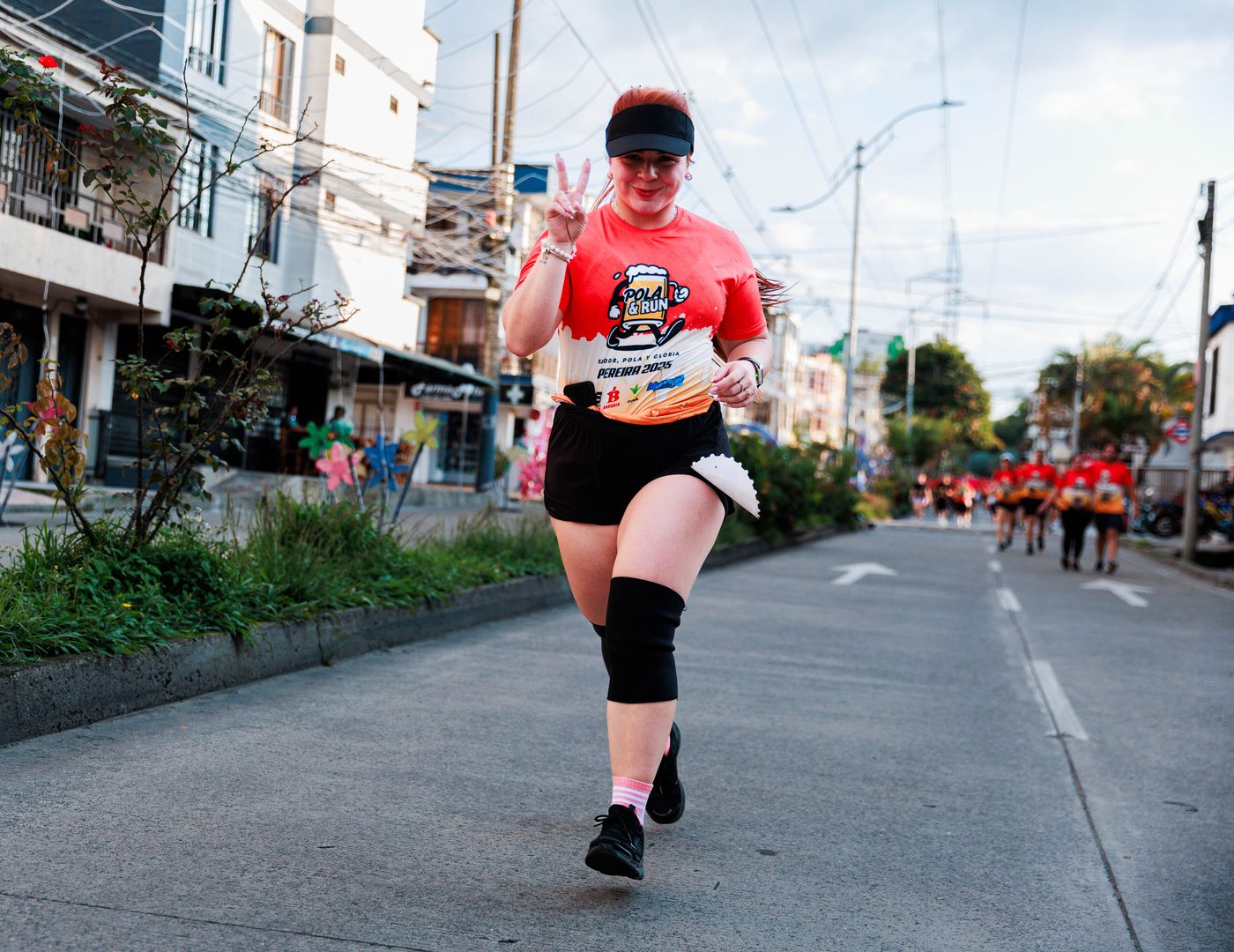
You launch a knee brace ad with a clean product shot, a bold “support” headline and a runner jogging past a tree. The comments fill with questions you haven't answered: Will it slide down? How do I choose a size? Does it actually hold the knee, or is it just a sleeve? People click, hesitate and move on.
That hesitation is the niche in miniature. A buyer may be looking at your ad after surgery, a fall, a new diagnosis or a knee buckling at work. They want help deciding whether this brace fits the problem in front of them, not another promise that it offers support.
This guide draws on 5,871 buyer conversations to show you who buys knee braces, which doubts need a visible answer and eight hooks to test. You'll see how to match each message to a real moment, then turn the product details into camera-ready proof without making medical promises.
Why generic knee brace ads miss
A buyer usually arrives at a specific moment, not because they woke up wanting a brace. Maybe they're home after a knee operation, trying to plan the next step. Maybe a clinician told them to wear one. Maybe their knee gave way during a shift, and now every stair feels like a question mark.
They are scanning for practical proof: how much support the product offers, whether it stays in place, and whether the price makes sense for the build. A stock photo and the word “stability” don't answer those questions. A close shot of the hinge, followed by a slow bend and an adjustable-strap demo, gives them something real to judge.
Four buyers worth targeting first
The research maps ten buyer groups. Start with these four, then adapt the scenario and proof shot to your product's actual support level. Don't use one generic “active lifestyle” creative for all of them.
The Injured Mover
They hurt a knee and want to stay active while figuring out how to move with more confidence. The fear is that it might buckle again.
Ad angle: show the brace during a real workout movement, such as a careful squat or a step-up. Frame it around returning to movement, not guaranteed recovery.
The Post-Op Recoverer
They're in the weeks after knee surgery and want support as they work toward everyday movement. They're looking for a clear fit and a believable recovery context.
Ad angle: show a walking progression in ordinary surroundings, such as the first steps along a hallway. Avoid implying a specific medical outcome.
The Ligament Tear
They have an ACL, meniscus or other ligament concern and want control during daily life or sport. A flimsy-feeling brace won't settle the question.
Ad angle: show the side hinges and a controlled bend, then demonstrate lateral stability under a manageable load.
The Older Knee
They want to keep walking, shopping and managing the day while dealing with weak, stiff or painful knees. Independence matters more than a dramatic sports shot.
Ad angle: show an older adult walking down a few steps and along a street, with the brace fitted under everyday clothes.

The doubts to answer on camera
These concerns shape whether a buyer trusts the product enough to consider it. Use a real demo and specific, accurate product details. If your brace hasn't been tested for a scene, don't present that scene as proof.
| What the buyer thinks | What to show on camera |
|---|---|
| “It'll slide or roll down as soon as I move.” | Show the adjustable straps, then a squat and a brisk walk. Finish with a close shot of the fit, without claiming a test result you don't have. |
| “It might make my knee hurt more.” | Demonstrate the brace under a controlled load and explain plainly what the design supports and what it doesn't do. |
| “The material will itch or irritate my skin.” | Show the lining, breathable zones and seams up close. Include a realistic all-day wear scene only if it reflects the product's use. |
| “I can't tell if this price is worth it.” | Show hinge construction, stitching, straps and material quality. Explain the support tier and value without promising a lifespan you can't verify. |
| “I'll order the wrong size online.” | Film the measuring process with a tape measure, show where the measurement goes, and make the size-swap policy visible if you offer one. |
Notice that the answer is rarely just an adjective. “Breathable” is less persuasive than a close-up of the vented material. “Adjustable” is easier to assess when the viewer sees someone set the straps and bend their knee. Keep every demonstration honest and suited to the brace you're selling.
The moments that start a purchase
Knee brace buyers often have a recent event on their mind. Name that moment early so the right viewer recognizes the situation without hearing a broad claim about what the product can do.
- The weeks after surgery. A post-op buyer is planning daily movement; show a careful walk at home and a clear, non-clinical fit demonstration.
- A fresh injury or fall. The person is deciding what to do next; acknowledge the moment and avoid telling them to skip professional care.
- A clinician's instruction. They were told to wear a brace and now need to compare options; put the fit, support level and measuring steps on screen.
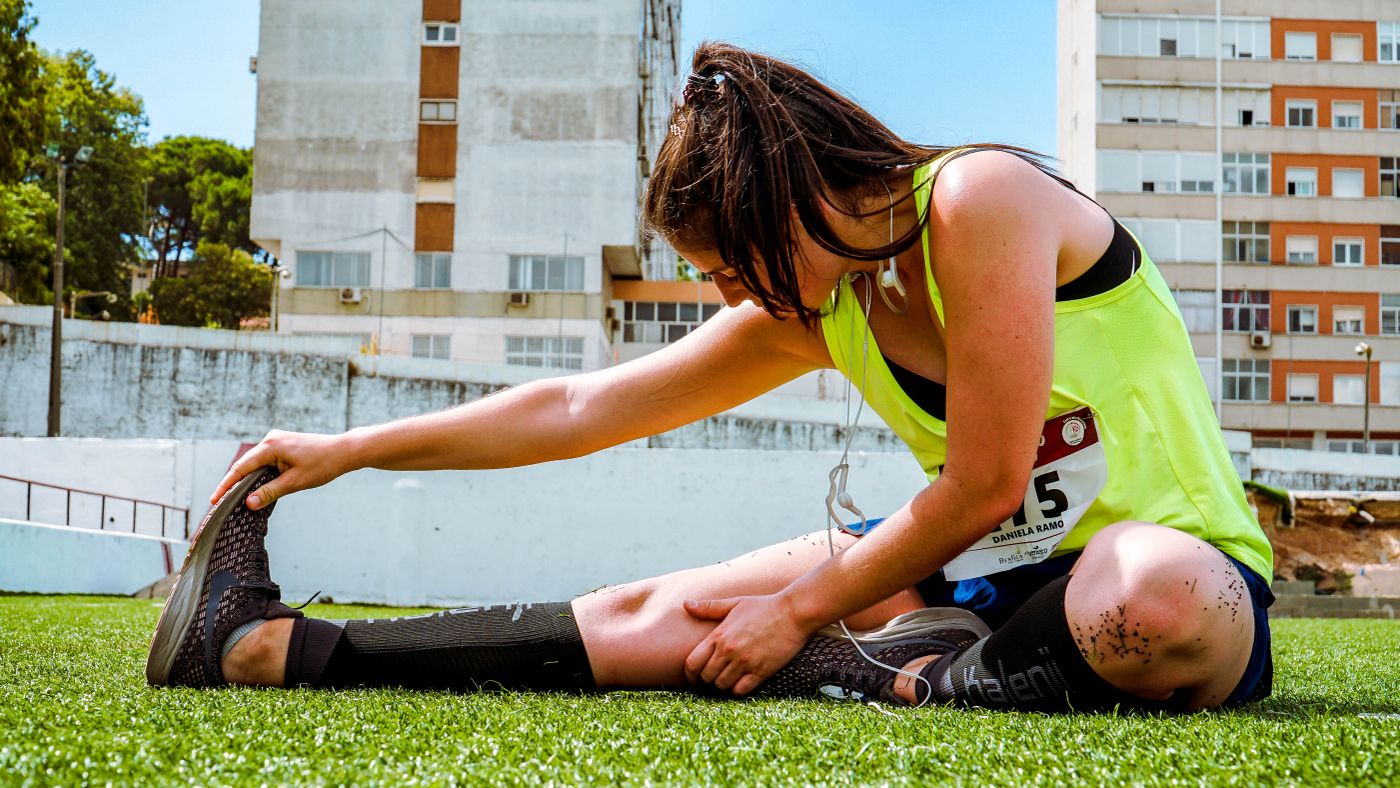
- The first session back. A runner or athlete returning after time off wants to see the brace during the activity they care about, not only in a gym pose.
- A knee gives way at work. Someone on their feet all shift may respond to a scene with standing, walking and a visible strap adjustment.
8 knee brace hooks to test this week
These hooks adapt the buyer language and angles in the research. Pair each opener with a relevant visual from the doubts table. Keep claims accurate for the actual product, and avoid suggesting a guaranteed medical result.
“Worried your knee could buckle again? See how this brace is built to support movement.”
Best for: stability concerns, with a controlled step or bend on camera“Back home after knee surgery, and figuring out what support fits your next steps?”
Best for: post-op buyers, with an ordinary hallway walk“Does your brace slide down when you run? Watch how these straps adjust.”
Best for: runners worried about fit, with a visible strap demo“Told to wear a brace? Compare the support level before you choose.”
Best for: clinician-recommended buyers, with hinges and support details shown“Need controlled movement? See the hinge and bend range up close.”
Best for: people comparing support, with a slow bend-and-extend demo“Still unsure which size to order? Here's where to measure.”
Best for: online sizing anxiety, with a tape measure and clear placement“On your feet all shift? See how the brace fits for everyday movement.”
Best for: workplace knee concerns, with a walk and strap adjustment“The old brace kept slipping. This time, start by checking the fit.”
Best for: disappointed brace owners, with a specific fit-detail comparisonTest two hooks against the same footage so you can learn whether the message changes the response. Keep the visuals, audience and offer consistent during that comparison, then move the stronger opener into a new test with another proof shot.
Score your current knee brace ad
Open the ad you most want to improve. Tick a box only when the viewer can actually see the proof, not when the caption merely says it.
Your ad shows 0 of 6.
Fewer than four ticks? Your next creative doesn't need a bigger promise. Give the viewer a better look at the product, the fit or the moment that brought them to the page.
If your knee brace ads are already running flat: what to do now
Don't change the audience, footage and offer all at once. Work through these steps and make each new version answer one buyer question clearly.
- Read comments and messages. If people ask whether it slips, what size to get or how much support it offers, make that question the next video's opening.
- Replace the generic first line. Use a moment-led hook, such as returning to running or following an instruction to wear a brace. Keep the rest of the creative steady.
- Film one proof detail. Get a close shot of the hinge, strap adjustment or lining, then show the knee bending in a controlled, everyday movement.
- Separate the scenarios. Make one version for a post-op buyer and another for a runner or older adult. Use footage and wording that fit each audience.
- Make sizing and value easy to judge. Show the measurement process, the support tier and the build details. State any size-swap terms accurately.
A look inside a full AngleBrief report: personas, hooks and the angle test matrix.
FAQ
What should a knee brace ad show first?
Start with the moment or concern that brought the buyer to the product. Then show a relevant detail, such as the hinge during a controlled bend or the straps being adjusted before a walk.
How do I address the fear that a brace will slip?
Show the adjustable fit and the brace during a suitable movement. Be specific about the grip or strap design, and don't claim it stays put under conditions you haven't tested.
Which knee brace buyers should I target?
Post-op recoverers, people with a recent injury or ligament concern, older adults seeking everyday support, runners, riders and grapplers appear in the research. Give each scenario its own proof shot.
How many hooks should I test at once?
Compare a small number of openers with the same footage and offer. That makes it easier to learn which message earns attention before you test a different visual.
Where does this research come from?
The report groups buyer conversations about knee braces into personas, pains, objections, triggers, hooks and purchase criteria. Use the themes to shape creative, then verify every product claim against your offer.
Running ads in another niche? Browse all buyer reports or request research for your niche. You can also preview the Knee Brace report.

Get the full Knee Brace buyer report
Get the buyer groups, pains, objections, triggers, hooks and criteria in one research playbook. Use it to brief a new creative round with concrete scenarios and proof shots instead of generic support claims.
Get the report · $24One-time payment · instant access · 7-day refund