Hiking Boots Ad Guide: Buyer Types, Doubts and Hooks
Your hiking boots ad opens on a drone shot of a mountain ridge. The music swells, a hiker strides past the camera, and the caption says “Ready for adventure.” By the next morning, the comments ask whether the boots come in wide widths and whether they’ll keep feet dry. Your ad gave them a view, but not an answer.
Hiking boot buyers aren’t choosing a backdrop. They’re trying to avoid a specific bad day: wet socks halfway along a trail, a heel rubbed raw before the first campsite, or an ankle that rolls on uneven ground. Good-looking product shots don’t settle those worries.
This guide draws on research into real buyer behavior. You’ll see who buys, what they doubt, the moments that make them shop, and eight hooks you can test. The useful shift is simple: show one buyer’s problem and put the proof on screen.
Why scenic hiking boot ads miss the sale
A mountain vista can make a boot look appealing, but it doesn’t tell a buyer if the sole grips on a wet slope, whether the collar supports an ankle, or if the toe box will pinch. Buyers aren’t shopping on looks alone. They’re trying to prevent wet feet, a rolled ankle, a painful fit or a pair that gives out after a season.
That makes the gap in many ads easy to spot. They sell “adventure” but don’t demonstrate waterproofing, fit or durability. A buyer who has already had boots rub at the heel won’t be reassured by a slow-motion shot of someone walking on a ridge. They need to see the collar, toe space and boot under real use.
Four buyers worth targeting first
The research maps buyers with different jobs for a boot. Start with a distinct creative for each of these four, rather than asking one generic “adventure” video to speak to everyone.
The Wobbly Ankle
They’ve rolled an ankle or had an old injury, and uneven ground makes them wary. They want a high collar that holds the ankle steady.
Ad angle: Show the collar beside the ankle bone, then a careful side-slope step. Contrast it with a low sneaker shifting on the same ground.
The Job-Site Worker
They work outdoors in rain, mud or snow and spend long hours on their feet. They need waterproofing and a build that can take hard use.
Ad angle: Show wet work conditions, then the wearer pulling off a dry sock at the end of the shift.
The Wide-Foot Shopper
Standard boots squeeze their sides or pinch their toes. They want a true wide or EE option and a toe box that gives their toes room.
Ad angle: Put a toe-box graphic on screen beside a cramped standard fit, and label the wide width clearly.
The Rider
They need foot and ankle protection on the bike, plus a boot that handles wet roads and works when they walk off the bike.
Ad angle: Show the boot on the pegs in the rain, then the rider walking around after parking.
The doubts to answer on camera
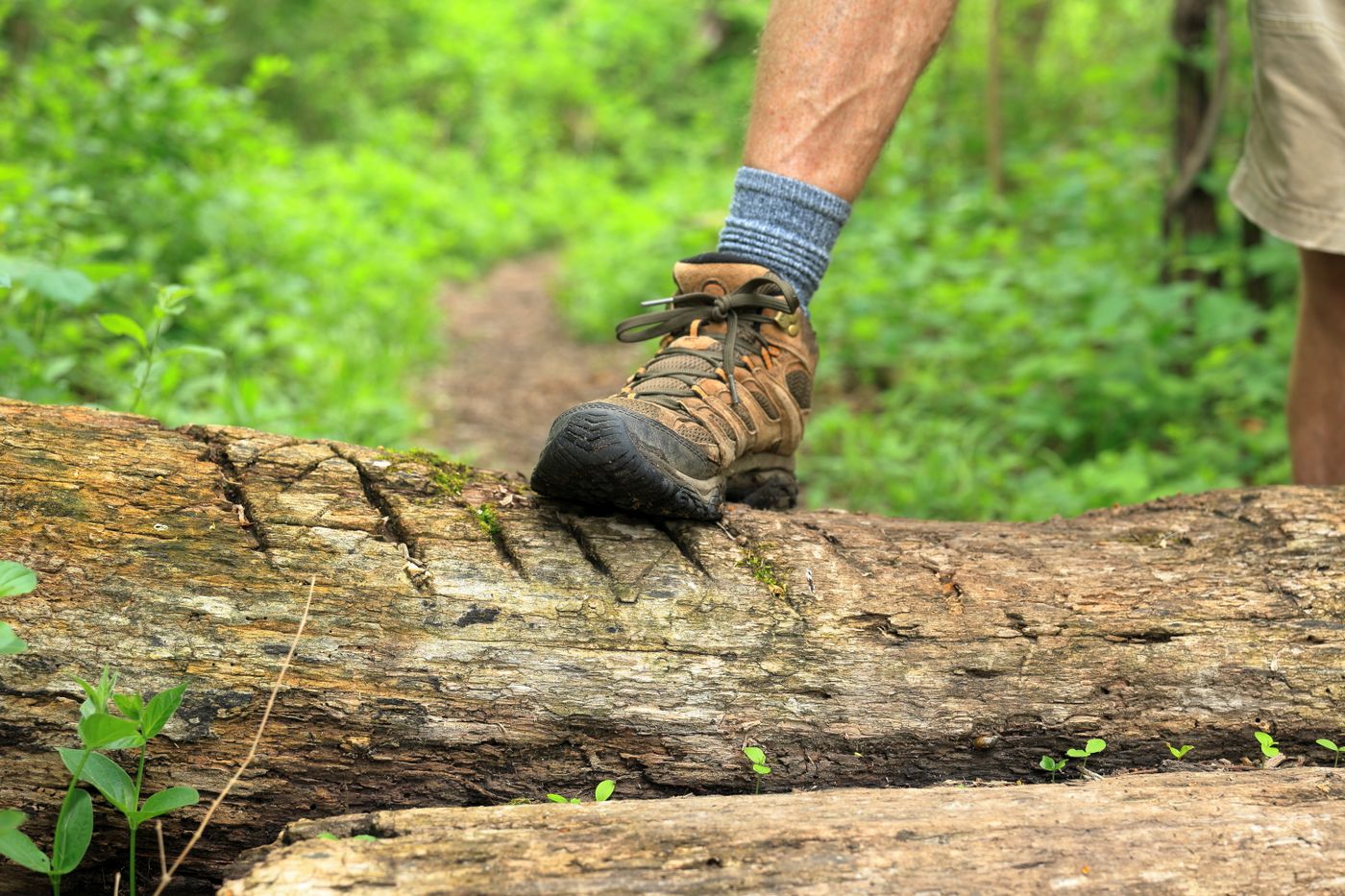
These are practical questions, and each one has a visual answer. Don’t rely on a caption that says “waterproof” or “comfortable” if the footage never shows what those words mean.
| What the buyer thinks | What to show on camera |
|---|---|
| “Will my feet stay dry on a wet trail?” | Set the boot in a stream, then pull out a dry sock. Keep the water and sock in the same sequence. |
| “Will this collar steady my ankle?” | Show collar height next to the ankle bone, followed by a side-slope step on uneven ground. |
| “Will these squeeze my wide feet?” | Show the toe box from above, toes spreading, and the wide or EE width called out on screen. |
| “Will I be limping through a painful break-in?” | Show a real wearer walking comfortably on day one, with a close-up of the padded collar and footbed. |
| “Will these fall apart after a season?” | Cut between pavement, stairs and rough trail, then show the sole stitching and any clear warranty. |
Make the evidence easy to read on a phone. A close shot of water beside the boot, or toes moving inside a roomy toe box, communicates more than a row of adjectives. Keep claims tied to what your footage and offer can support.
The moments that start a purchase
Boot shopping often begins with a date, a failure or a new plan. Name the moment in the opening line, then show how your offer fits it.
- A trip is coming up. Show a calendar beside boots by the door, and make delivery timing clear if your offer can support it.
- The old pair is wearing out. Put a cracked sole beside a fresh boot and invite the buyer to replace it before it fails.
- The boots broke right before departure. Show a packed bag and a replacement pair, but only use fast-shipping language your service can meet.
- It’s their first hike. Show a simple “start here” boot choice beside a beginner checking gear before leaving.
- They booked a multi-day trek. Show a route map and boots moving across several kinds of ground, not just one scenic overlook.
8 hiking boots hooks to test
Try each line with footage that answers the concern it names. Keep the visual consistent when comparing two hooks, so you can see whether the opening message changes the response.
“Still rolling your ankle when the trail gets rough?”
Best for: buyers who want a high, supportive collar“Your boots shouldn’t need two weeks and three blister patches to feel right.”
Best for: people worried about painful break-in“Bought new boots the night before the trip? You’re not the only one.”
Best for: last-minute trip shoppers“Wide feet and narrow boots? Show your toes some room.”
Best for: wide-foot and hard-to-fit buyers“If your feet aren’t dry by mile five, those boots aren’t waterproof.”
Best for: buyers who put waterproofing first“The heaviest thing on your hike shouldn’t be your boots.”
Best for: people switching from heavy boots or trying trail runners“Soles peeling after a few months? That’s not normal wear.”
Best for: durability-focused shoppers“Comfortable from the first step: no break-in, no band-aids.”
Best for: buyers anxious about blisters on day onePair the ankle hook with a side-slope shot, the wide-fit hook with an overhead toe-box view, and the waterproof hook with a dry-sock demo. Don’t ask a single video to prove every feature at once.
Score your current hiking boots ad
Open your current ad and tick only what the viewer can actually see. A product-page claim doesn’t count if the video leaves the question unanswered.
Your ad shows 0 of 6.
If several boxes are empty, choose one unanswered doubt and film proof for it. You don’t need a fresh campaign concept before you can improve the creative.
If your hiking boots ads are already running flat: what to do now
Keep the next edit focused. Change one part at a time so you can tell whether the new message or visual made a difference.
- Read the comments and questions. If buyers ask about wide sizing, waterproofing or delivery, write those doubts down and choose one to answer first.
- Replace the generic opener. Swap “ready for adventure” for a specific line about wet feet, ankle support, a coming trip or worn-out boots.
- Film a proof shot. Put the boot in a stream, show a side-slope step, or capture a close view of toe room. Use the shot that matches the hook.
- Split the buyer angle. Make one version for wide-foot shoppers and another for job-site workers, even if both feature the same boot.
- Check the offer details. Put accurate shipping, return or warranty information on screen so online buyers can judge the risk of trying.
A look inside a full AngleBrief report: buyer groups, hooks and the angle test matrix.
FAQ
What should a hiking boots ad show first?
Start with the concern your audience cares about most. For a waterproofing angle, show the boot in water and a dry sock. For ankle support, show the collar and a side-slope step.
Which hiking boot buyers should I target?
Try distinct creatives for buyers with weak ankles, outdoor workers, wide-foot shoppers and riders. Other useful groups include all-day standers, travelers and people who want one pair for several outdoor activities.
How can I show that boots fit wide feet?
Show the toe box from above, make the toe space visible and label actual wide or EE sizes if the product offers them. Don’t use “roomy” as a substitute for an available width.
How do I answer durability doubts in an ad?
Show the boots on pavement, stairs and rough trail, then give a close-up of the sole and construction. Include a warranty or resole detail only if it’s part of your offer.
Where does this hiking boots research come from?
It’s based on research into real buyer behavior, organized around the people buying boots, their concerns, objections, triggers and the proof they look for.
Running ads in another niche? Browse all buyer reports or request research for your niche. You can also preview the Hiking Boots report before you buy.
Get the full Hiking Boots buyer report
See more buyer groups, ranked pains and objections, purchase triggers, hooks and an angle test matrix. Use the research to brief a focused creative round instead of guessing which proof to film next.
Get the report · $24One-time payment · instant access · 7-day refund