Gut Health Ad Guide: Buyers, Doubts and 8 Hooks to Test

You launch a gut health ad with a bright bottle, a smiling creator and the line “heal your gut.” By the next afternoon, the comments ask which strains are inside, whether the capsules are huge, and why this should work when their last probiotic did nothing. Your polished opener hasn't touched the question behind the scroll.
Gut health buyers usually aren't shopping for a trend. They're trying to make sense of one stubborn moment: the 3pm bloat, the burn after dinner, the skin flare that returns, or the dog with loose stools. They want to feel understood, not promised a miracle.
This guide draws on 8,000+ buyer conversations and 1,000+ competitor ads. You'll find buyer groups, doubts to film around, purchase moments and eight hooks to test, with claims framed as support rather than medical promises.
Why broad gut health ads still don't sell
“Heal your gut” tries to speak to everyone and can sound like a cure claim. Buyers arrive with a much narrower problem: pressure after a small meal, a drawer of antacids, unpredictable bathroom days, or a product cabinet full of half-used bottles. They may have already tried probiotics, fermented foods or fiber and still feel uncertain.
That history changes what they need to see. A smiling person holding a bottle doesn't answer “why this one?” Put the label on screen long enough to read the named strains, CFU count and serving format. Explain the product's role in plain language, show a realistic use routine, and don't promise a fast fix. A buyer who's been disappointed will notice the gap between a dramatic claim and a specific explanation.
Four buyers worth targeting first
The research maps buyers across digestion, mood, skin, hormones and pets. Start with one person and one need per creative. These four groups make the problem easy to picture, but keep every claim within what your product can support.
The Chronically Bloated
Small meals can still leave them distended, gassy or uncomfortable by afternoon. Dinner out starts to feel like a gamble.
Ad angle: open on a clock at 3pm, then show someone discreetly unbuttoning tight jeans. Name the pressure after meals without promising a flat stomach.
The After-Meal Burner
They reach for antacids after meals and are tired of seeing them in the drawer. They want a calmer-feeling routine, not another exaggerated claim.
Ad angle: show the antacid drawer, then a relaxed person clearing the dinner table. Frame the product as support, not treatment for reflux.
The Worried Dog Parent
Loose stools, smelly breath or itchy skin have them watching their dog closely and worrying about another vet visit.
Ad angle: film the dog at its bowl and show the product's actual serving. Say it supports everyday digestive health, with no disease claim.
The Anxious Overthinker
They suspect their digestion and mood are connected after reading about the gut-brain axis. They want steadier days, without treating a supplement as mental health care.
Ad angle: show a quiet morning routine and explain the gut-brain connection in plain words. State that the product isn't a replacement for professional care.

The doubts to answer on camera
Gut health shoppers have often tried something already. Give each doubt a visible answer, and avoid claiming that a supplement cures or treats a condition. Your ingredient panel, serving instructions and honest timeline can do more than another glowing testimonial.
| What the buyer thinks | What to show on camera |
|---|---|
| “I tried probiotics for weeks and nothing changed.” | Hold the label close to camera; point out the actual named strains and CFU count, then state a realistic trial window without guaranteeing results. |
| “How is this different from the last bottle?” | Show the strain names and explain the product's specific formulation in simple language. Avoid unsupported claims about what happens in the stomach. |
| “This sounds like another miracle-cure pitch.” | Use “supports” language, read the ingredients aloud and show a normal daily routine instead of a before-and-after cure story. |
| “I can't swallow another giant capsule.” | Put the real gummy, chewable or capsule beside a hand for scale. Show its actual format and taste only if you can substantiate the description. |
| “It's another cost on top of everything else.” | Show the verified price per serving or per day on screen, and make the arithmetic easy to check. |
Keep proof literal. If you show a label, make it readable. If you mention a timeline, present it as a fair period to assess the product, not a guaranteed point when symptoms will change. Don't use another person's health story to imply the same outcome for every viewer.
The moments that start a purchase
A gut health ad can feel relevant because of when it reaches someone, not just who sees it. Put that moment in the first line and match the footage to it.
- The late-night search. Show a phone with captions on and a person pausing a gut health video while looking for answers.
- A doctor's suggestion. After an appointment, the buyer may be looking into a probiotic or enzyme. Frame yours as support alongside care, not a replacement.
- The end of antibiotics. A person puts the prescription packet away and checks a daily routine. Don't claim to repair damage or restore a specific outcome.
- A skin routine that hasn't helped enough. Show creams on the bathroom shelf, then explain a gut-skin connection carefully and encourage them to keep working with their dermatologist.
- A podcast sparks a question. Film someone pausing an expert interview and searching a label. Give one plain explanation before introducing the product.
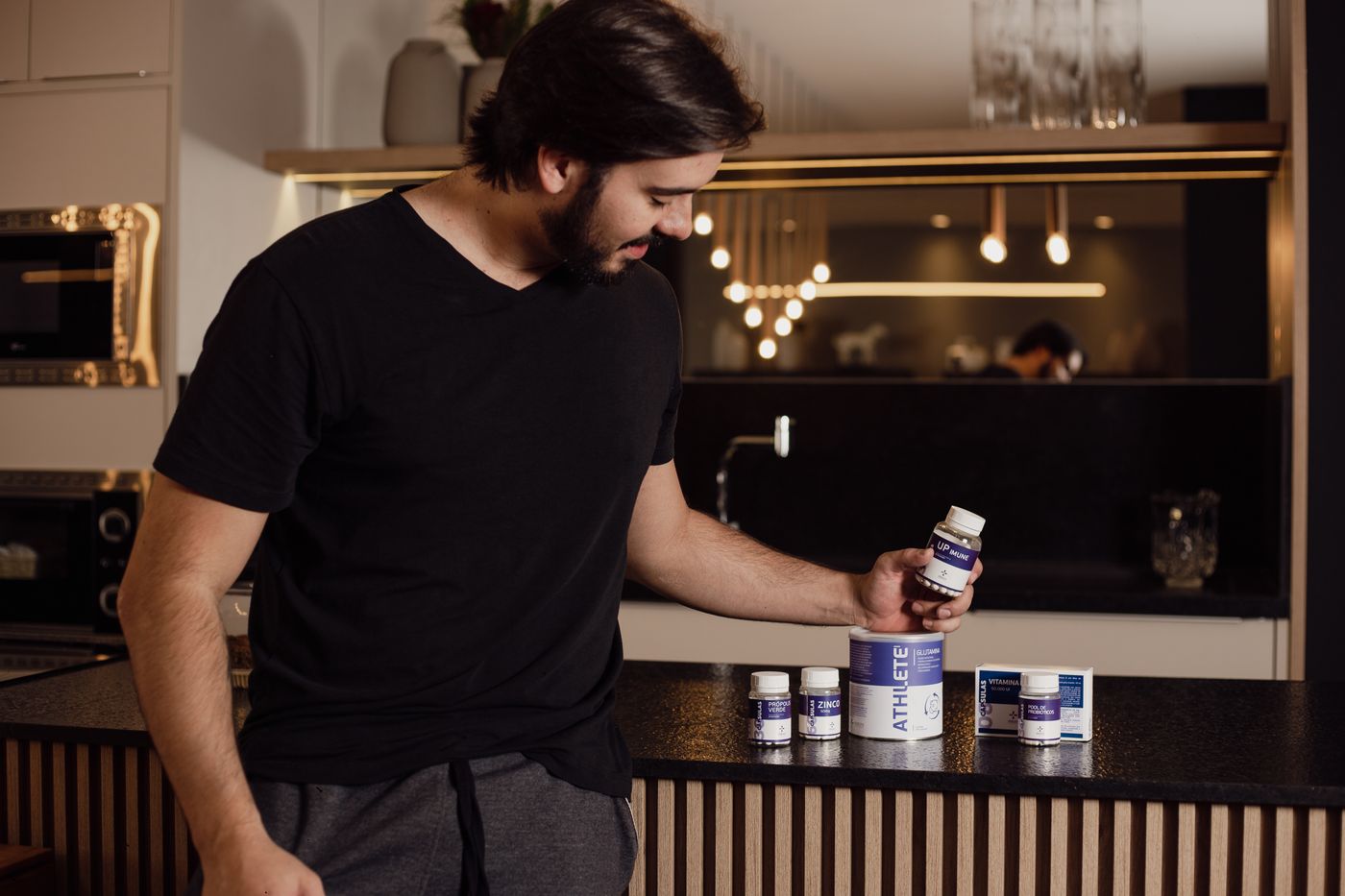
8 gut health hooks to test
Use each opener with footage that answers the doubt behind it. Keep the claim fair, check the product label before making ingredient statements, and let the viewer see what the words refer to.
“Bloated by 3pm even when lunch was small?”
Best for: The Chronically Bloated, show the clock and a real after-meal moment.“Before you switch probiotics again, check the strains and CFU.”
Best for: burned probiotic shoppers, show your readable label.“She'd tried probiotic after probiotic. Then she started comparing labels.”
Best for: skeptical shoppers, tell a modest product-selection story.“Your doctor suggested looking into gut support? Start with what's on the label.”
Best for: post-appointment research, position the product alongside care.“Could your gut and your mood be connected?”
Best for: curious gut-brain-axis shoppers, include a clear care disclaimer.“No giant capsule in sight. Here's the format, up close.”
Best for: people who avoid large pills, show the actual chewable or gummy.“After antibiotics, he wanted a simple routine to discuss with his doctor.”
Best for: post-antibiotic shoppers, show a daily routine without promising a rebuild.“Dog owners: show what's in the bowl, and what's in the supplement.”
Best for: worried dog parents, show the serving and use everyday-support wording.Test two hooks against the same footage so you can read the message, not just the edit. If the ad mentions strains, price, taste or serving size, make sure the product and offer actually match every word on screen.
Score your current gut health ad
Open your best-running creative and tick only what a viewer can see or hear. A claim buried on the product page doesn't count as ad proof.
Your ad shows 0 of 6.
Several empty boxes mean the viewer has to take your word for it. Pick the biggest unanswered doubt and add one proof shot before changing the whole campaign.
If your gut health ads are already running flat: what to do now
Don't respond by making a bigger health promise. Make the ad more specific, then change one piece at a time so you know what you're learning.
- Read comments and questions. If people ask about strains, pill size or whether the product is for them, put a direct answer on screen.
- Replace the broad opener. Swap “heal your gut” for one supported buyer problem, such as discomfort after meals or a simple label comparison.
- Film the proof close-up. Show the actual product, readable ingredients and serving format. Don't imply that an ingredient guarantees a result.
- Separate the buyer stories. Make distinct creatives for after-meal discomfort, dog digestive support or gut-brain curiosity instead of cramming all three into one ad.
- Set expectations clearly. Show verified price-per-serving and a fair assessment window. Add the right care disclaimer where a health topic calls for it.
A look inside a full AngleBrief report: buyer groups, objections, hooks and an angle test matrix.
FAQ
What should a gut health ad show first?
Start with one specific, recognizable moment, such as someone checking the time after lunch or reaching for an antacid. Then show the product and a verifiable detail, like its format or label. Avoid promising to cure a symptom.
How do I answer “probiotics never worked for me”?
Show what is actually different about your formula, such as named strains and the CFU count if those details are accurate. Set a fair assessment window and don't guarantee an outcome or imply that a label detail proves results.
Can I advertise gut health products for mood or skin?
Use careful, support-focused language and don't imply that a supplement treats anxiety, depression or a skin condition. For mood-related messaging, make clear that it isn't a replacement for mental health care. For skin concerns, encourage viewers to keep working with their clinician.
Which gut health buyer should I target first?
Choose the group your product and evidence genuinely fit. Build one ad around one concrete need, such as digestive support for a dog or a format for people who avoid large capsules, instead of addressing every gut concern at once.
Where does this research come from?
The playbook draws on 8,000+ buyer conversations and 1,000+ competitor ads, organizing the source material into buyer groups, pains, objections, triggers, hooks and purchase criteria.
Running ads in another niche? Browse all buyer reports or request research for your niche. You can also preview the Gut Health report before you buy.

Get the full Gut Health buyer report
Buyer groups with ad angles, ranked pains, objections and triggers, plus hooks and an angle test matrix. Use the research to brief a more specific creative round instead of guessing.
Get the report · $24One-time payment · instant access · 7-day refund