Ereader Ad Guide: Buyers, Doubts and Hooks to Test
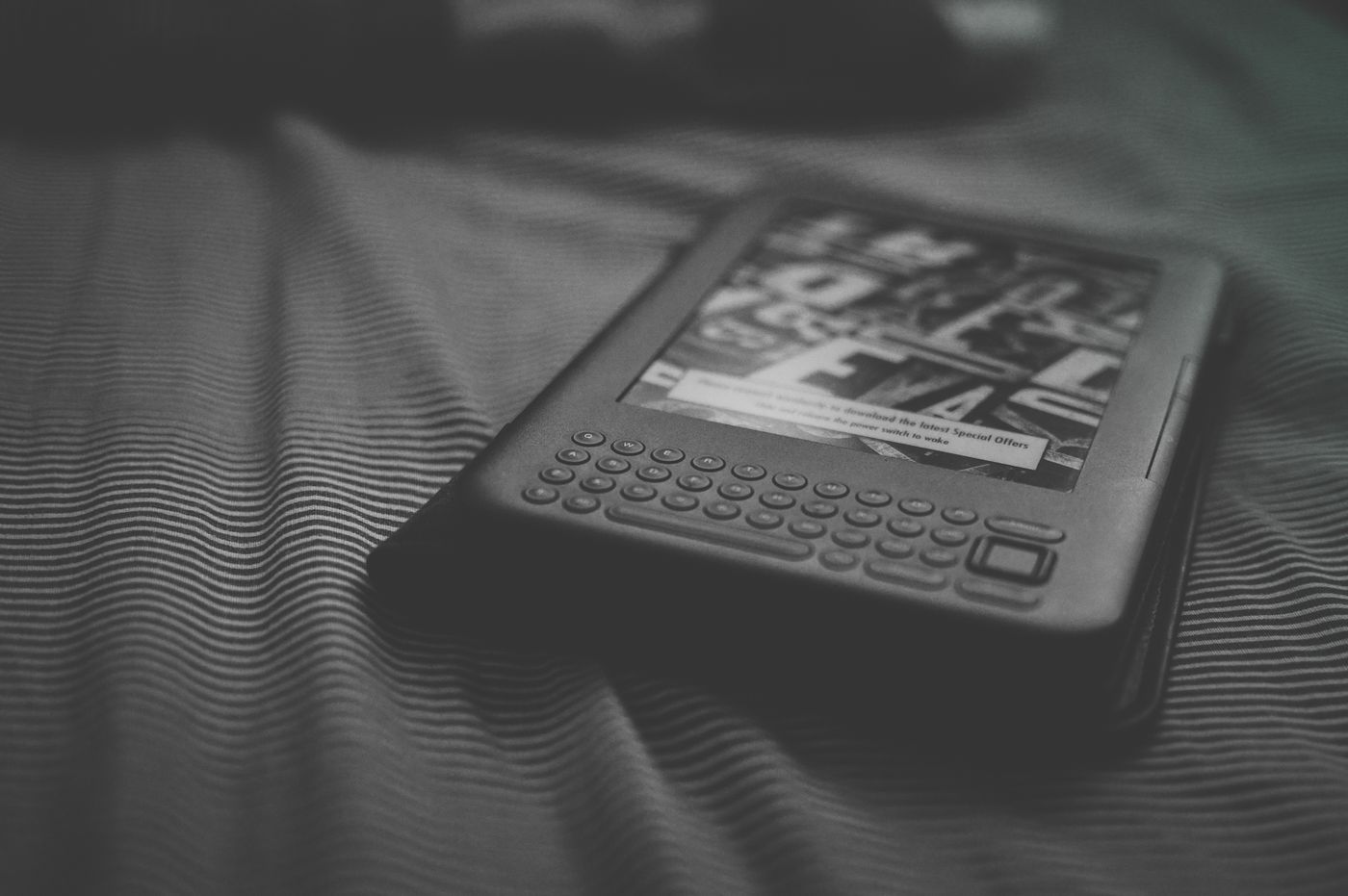
You launch an e-reader ad with a slow pan across the device, a list of screen specs and a price card. The clicks come in, but the comments ask whether the screen glows at night, whether library books work, and whether the device will show ads. Your creative has shown the product, but not the reason a reader should switch.
For this buyer, a screen measurement is rarely the whole story. They may be in bed beside a sleeping partner, squinting at a work PDF, or trying to stop a phone notification from pulling them out of a chapter. They want to see a better reading routine, not another feature list.
This guide draws on 17,931 buyer conversations to map who buys e-readers, what gives them pause, and which hooks you can test. You’ll get visible proof ideas for each angle, so your next ad can show the answer instead of asking the viewer to take your word for it.
Why spec-led e-reader ads miss
An e-reader can be bought to solve a very ordinary frustration: a bright phone in a dark bedroom, a heavy book on a commute, or a laptop full of PDFs when your eyes already feel tired. Buyers talk about comfort, sleep, portability and the freedom to read what they want. Specs matter, but they rarely make that need visible by themselves.
Think about the difference between saying “warm frontlight” and showing someone move a warm-light slider in a dark room while their partner sleeps. Or between claiming “portable” and slipping the device into a jacket pocket, then turning a page one-handed on a train. The second version lets the viewer picture using it.
Four buyers worth targeting first
These four groups have distinct reasons to consider an e-reader. Give each its own creative and proof, rather than trying to fit bedtime reading, work PDFs and library borrowing into one ad.
The Bedtime Reader
Reads in a dim or dark room and wants to settle in without a bright phone screen disturbing them or a partner.
Ad angle: show the warm-light slider in a dark bedroom, with the reader turning a page while their partner sleeps. Sell a calmer bedtime routine, not a screen spec.
The Desk-Bound Document Worker
Spends hours at a monitor and needs a more comfortable place to read PDFs or professional books away from the laptop.
Ad angle: place a dense PDF on the e-reader beside a messy laptop screen. Show the worker setting the laptop aside during a coffee break.
The Library Power Borrower
Wants public-library ebooks through Libby or OverDrive, without paying for every new title or wrestling with a complicated setup.
Ad angle: record the borrow flow on the device, ending on a library title marked $0. Keep the steps legible on screen.
The Kindle Defector
Already reads ebooks but feels boxed in by a single store or format. They want library access, EPUB support or a way to move their own books.
Ad angle: show a DRM-free EPUB being imported and a shelf being exported. Acknowledge the frustration without attacking a brand they once trusted.
The doubts to answer on camera
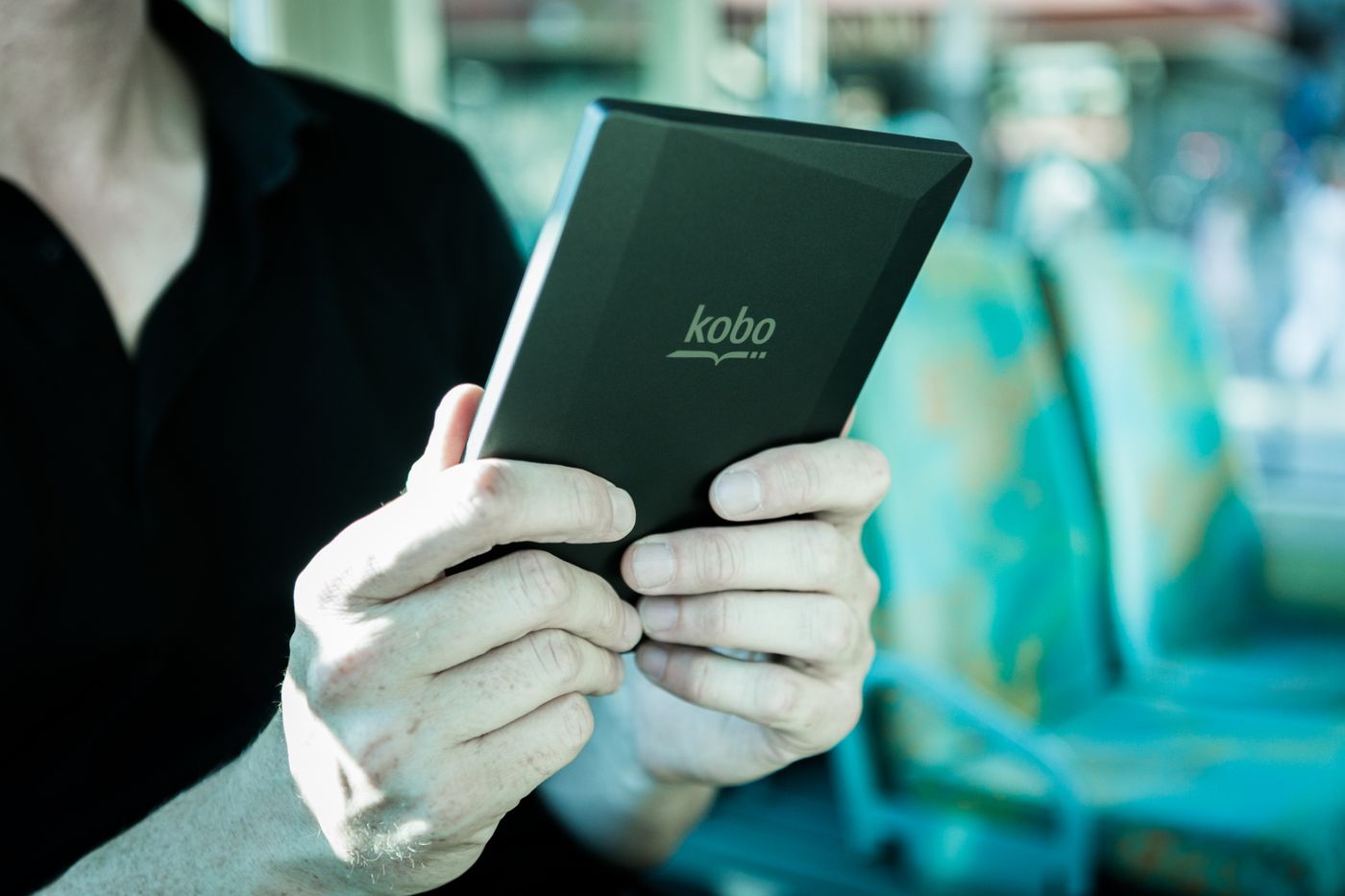
A buyer may like the idea of a dedicated reader and still hesitate over the details. Use a real device and a real use case to answer the doubt in the footage. If a feature varies by model, show the model you’re actually selling and label it clearly.
| What the buyer thinks | What to show on camera |
|---|---|
| “Will the screen have ads on the lock screen or home screen?” | Film the actual lock screen and home screen, then open a book. Don’t rely on a generic product render. |
| “Is it too bulky to carry or hold for a long read?” | Slide it into a real jacket pocket, then show a one-hand grip and page turn beside a phone and paperback. |
| “Will I lose my books if I leave this ecosystem?” | Show a supported EPUB or DRM-free file imported, then demonstrate the export or sync option available on this model. |
| “Can I borrow library books without a hassle?” | Record the library app or supported borrow flow, with each tap visible and the borrowed title opening on the device. |
| “Will color pages look washed out, or text hard to read?” | Show an actual comic page beside a black-and-white text page in ordinary light. Let viewers judge the real screen, without boosting color in editing. |
Words like “crisp,” “comfortable” and “easy” are easy for any seller to say. A library borrow that lands on the screen, a pocket test or an honest close-up of a manga page gives the buyer something specific to assess.
The moments that start a purchase
E-reader interest often begins when a current reading habit stops working. Name the moment in the opening line, then show how the device fits into that scene.
- The old reader starts failing. Show a slow page turn or a weak battery, then the new device opening a book. Don’t promise durability beyond what you can support.
- They’re choosing their first e-reader. Put bedtime, study, comics and travel on screen as use cases, then show the matching device in each scene.
- A sale or gift occasion comes around. Show a reader unwrapping the device, with a clear guide to choosing a model for the recipient.
- A trip is coming up. Film the reader packing light, slipping the device into a jacket pocket and reading in a plane or train seat.
- The tablet glare gets old. Put a tablet beside an e-ink page during a reading break, and let the visual contrast carry the comparison.
8 e-reader hooks to test
These hooks draw on the buyer pains and situations in the research. Pair each with a matching proof shot from the doubts table. Keep claims tied to the exact product: for example, only mention library access or EPUB support if the model you’re advertising has it.
“Reading in bed while your partner sleeps? Want a screen that doesn’t glow?”
Best for: bedtime readers who want a softer night-reading setup“No browser. No feed. No notifications. Just books.”
Best for: readers trying to leave phone distractions behind“I bought an e-reader, then realized my books couldn’t move with me.”
Best for: readers frustrated by ecosystem lock-in“Your whole library, slipping into a jacket pocket.”
Best for: travelers and commuters who pack light“Still squinting at PDFs on your laptop?”
Best for: office workers, students and researchers reading documents“Your library card can put free ebooks right on your reader.”
Best for: public-library borrowers, with the supported borrow flow on screen“Sick of ads on your lock screen? Take a look at this one.”
Best for: buyers concerned about ads, when the advertised model is ad-free“Comics and manga readers: see the real color page before you choose.”
Best for: comic readers who want an honest look at color e-inkFor a clean test, keep the footage and audience steady while you change the opening line. A bedtime hook belongs with a dark-room demo; a library hook belongs with the borrow flow. That makes it easier to see which message earns attention.
Score your current e-reader ad
Watch your best-running creative with the sound off. Tick a box only when the proof appears on screen, not when a caption makes the claim.
Your ad shows 0 of 6.
Fewer than four ticks? Start with the missing proof that matters most to the audience in this ad. A bedtime reader needs to see night use; a library borrower needs to see a supported borrow flow.
If your ereader ads are already running flat: what to do now
Don’t change the hook, audience and footage all at once. Make one clear adjustment, then check whether the creative is answering the buyer’s actual question.
- Read the comments and questions. If people ask about ads, formats or library access, bring that exact doubt into the next cut.
- Replace the spec-led opener. Try a line about bedtime, a work PDF or a pocket-size library, while keeping the rest of the video steady.
- Add one proof shot. Show the warm-light control, a live page turn or the supported library borrow flow instead of adding another product render.
- Separate the buyer angles. Build one version for night readers and another for document workers. Give each a scene and message that match.
- Check every product claim. Confirm that the model supports the formats, apps, lighting and ad-free experience shown in the video.
A look inside a full AngleBrief report: personas, hooks and the angle test matrix.
FAQ
What should an e-reader ad show first?
Start with the buyer’s use case and the proof that answers their main doubt. For a bedtime reader, show the warm-light setting in a dark room. For a library borrower, show the supported borrow flow landing on the device.
Should I lead with screen specifications?
Use specifications when they help explain a visible benefit, but don’t make a model number do the work of a scene. Show someone reading a PDF, turning a page one-handed or adjusting the night light.
Who buys e-readers besides fiction readers?
Document workers, lawyers and researchers may want to read and annotate PDFs. Library borrowers want digital loans, travelers want a compact library, and readers seeking fewer phone distractions may prefer a dedicated device.
How do I advertise a color e-reader honestly?
Show actual comic or manga pages alongside black-and-white text in ordinary lighting. Don’t intensify the colors in editing or imply that color looks like a tablet if it doesn’t.
What should I verify before making a library or format claim?
Check the exact model’s supported formats, library services, apps and borrowing steps. Film the real flow, and avoid implying that every title or service works on every device.
Running ads in another niche? Browse all buyer reports or request research for your niche. You can also preview the E-reader report before you buy.
Get the full E-reader buyer report
Get buyer groups, pains, objections, buying moments, hooks and product criteria in one research brief. Use it to plan the next creative round around what readers want to see.
Get the report · $24One-time payment · instant access · 7-day refund