Dental Health Ad Guide: Buyers, Doubts and Hooks to Test
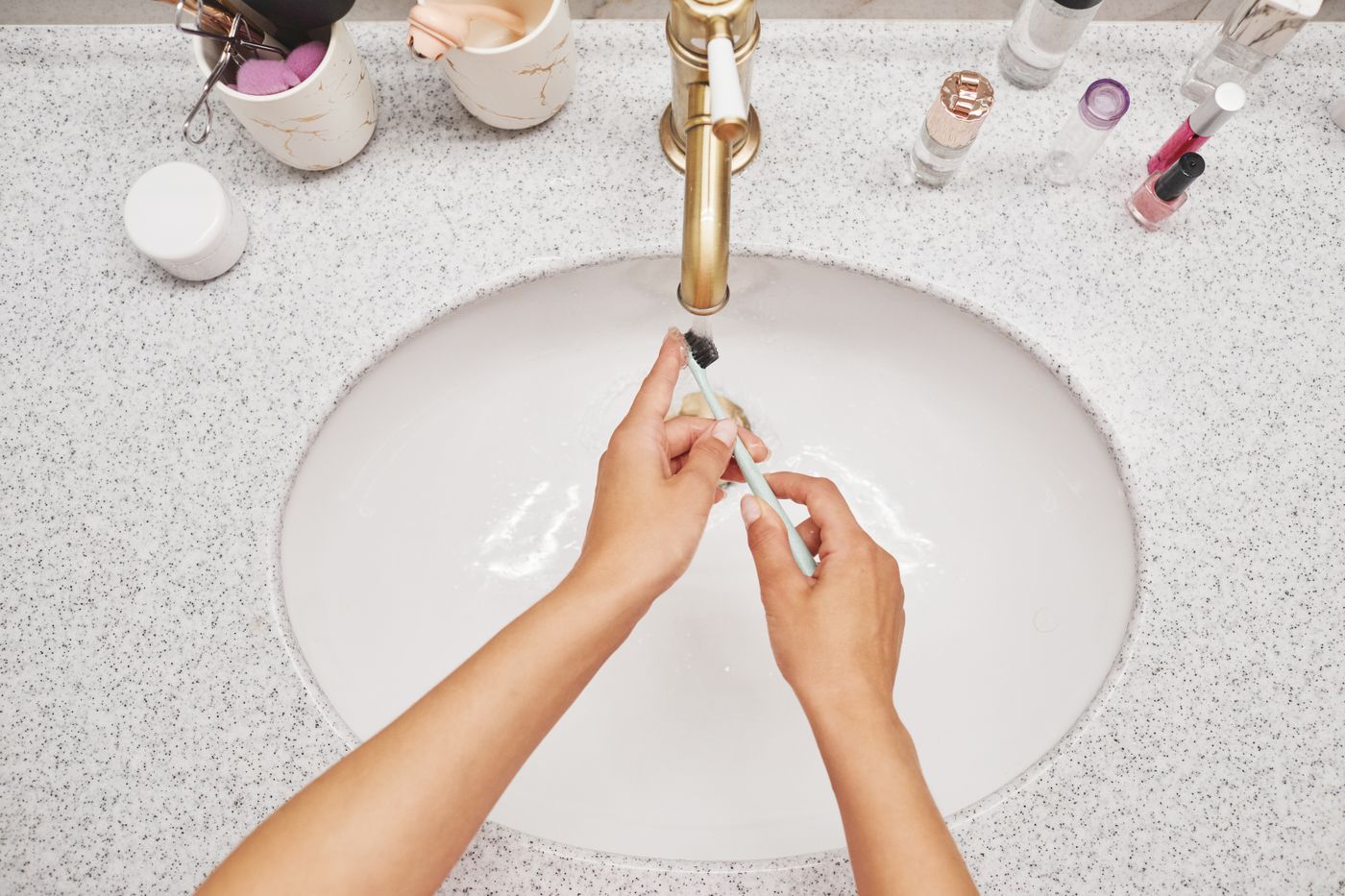
You launch a dental-health ad with a bright smile, a white background and a line about a whiter-looking mouth. The video gets watched, but the comments ask whether the product burns, what it costs and whether it can be trusted. Your polished creative has shown the result people are least worried about. They want to know how to care for their mouth without pain, shame or another bill they can't manage.
In this category, a bathroom sink can tell a more useful story than a perfect smile. Show the actual routine, the ingredient label and a clear price, and you start answering the questions buyers bring to the screen.
This guide draws on 8,401 buyer conversations and 154 competitor ads. You'll see who buys, what they doubt and eight hooks to test, with practical visuals that keep your message grounded. Home care can support daily prevention, but don't present it as a replacement for professional dental care or a cure for a serious problem.
Why bright-smile dental ads miss the buyer
A buyer who has put off a dentist visit may not be shopping for a brighter smile. They may be worried about a bill, a sore or bleeding gum, or the next problem showing up after years of delay. If your ad opens with a glossy grin, it doesn't meet that fear. A quick view of the product doesn't tell them whether it stings, what it costs or what's inside.
Give the viewer a concrete next step instead. Show a short routine at the sink, name what the product is for and make the limits clear. If someone has pain or a serious dental concern, your ad should not imply that a home product is a substitute for seeing a dental professional.
Four buyers worth understanding
The report maps different reasons people shop for oral care. These four give you distinct starting points for creative. Keep each message specific, and don't make a buyer feel blamed for their situation.
The Overloaded Caregiver
Work, kids and family responsibilities fill the day. They want a quick routine that fits an existing moment at the sink, not another task to schedule.
Ad angle: show a simple morning routine before the school run, with the toothbrush beside the keys. Keep the timing claim tied to a routine you can actually demonstrate.
The Priced-Out Household
Dental care can strain a tight budget, and a missing or limited benefit can make each visit feel harder to arrange. They need to see the self-pay price before considering a product.
Ad angle: put the actual product price on screen, then show what's included. Don't imply that a product prevents a specific bill or avoids needed care.
The Person Starting Over
Low mood, illness or burnout may have interrupted their routine. Shame can make a judgmental ad feel like one more reason to scroll away.
Ad angle: show one gentle step at the sink and use no-shame language: start with today, not a lecture about the past.
The Dental-Phobic
A bad experience, fear of pain or anxiety about being judged can make booking a visit feel overwhelming. They want more control over what they can do at home.
Ad angle: show a calm, ordinary daily routine and frame it as support between professional visits, never as a reason to avoid needed care.

The doubts to answer on camera
Dental-health buyers can be wary of products that promise too much or feel harsh. Show the answer rather than relying on an adjective in your caption. Use only proof you can substantiate, and keep claims within the product's actual scope.
| What the buyer thinks | What to show on camera |
|---|---|
| "I can't afford another dental expense." | Show the real price beside the product and a clear view of what the package contains. Don't compare it to a specific repair bill unless the comparison is supported and properly qualified. |
| "This might burn or irritate my mouth." | Turn the label toward the camera and show the full ingredient list. State whether it is alcohol-free only if that is accurate for this product. |
| "I've tried home care and things still got worse." | Film the routine from start to finish, so viewers can judge how easy it is to keep up. Avoid promising a result or presenting an unverified before-and-after. |
| "This ad could be a scam." | Show a real package, verifiable customer reviews, business details and the actual return policy, if available. |
| "Can this fix a painful or serious dental problem?" | Say plainly what the product supports, then direct someone with pain or a serious concern to a dental professional instead of implying a cure. |
Specifics are stronger than vague reassurance. A legible price, a readable label and an honest description of the routine give the viewer something to assess. If you mention testing, certification, a guarantee or customer experience, make sure the on-screen proof matches the claim.
The moments that start a purchase
People often start searching after a concrete event. Connect the creative to that moment, but don't use fear to imply that your product treats an urgent problem.
- A painful tooth at night. A person awake and searching needs appropriate guidance, not an ad suggesting a product can replace prompt dental care.
- A restart after a long gap. Show a toothbrush at the sink and a small, nonjudgmental first step.
- A new dental benefit. Someone checking coverage may also want a home routine for the time between appointments.
- Gum treatment or a professional cleaning. Present daily oral care as support between visits, with the product's role clearly described.
- A child's brushing routine. A parent standing beside a child at the sink makes the habit concrete; avoid implying that a product guarantees cavity prevention.
8 dental health hooks to test
Use these as opening lines, then make the product and its limits clear. Pair each line with a visible scene that fits the angle. Avoid unsupported medical outcomes, financial guarantees and personal-attribute assumptions in your targeting or copy.
"Brushing regularly, but still seeing blood when you spit?"
Best for: a gentle gum-care routine, with a clear prompt to seek professional advice about ongoing symptoms"What does your breath say before you do?"
Best for: a breath-care product, shown beside a sink before a workday"After years away from the dentist, one small routine felt like a place to start."
Best for: a no-shame restart, with one simple step on screen"Parents: make brushing time a habit you can do together."
Best for: a family routine, with a parent and child at the sink"Nervous about your next visit? Here's the daily care you can do at home."
Best for: dental anxiety, framed as support rather than a replacement for care"A simple oral-care routine, with the ingredients and price in plain sight."
Best for: skeptical shoppers, with the label and price shown legibly"Low on time? Put your oral-care step beside the routine you already keep."
Best for: busy caregivers, shown in a real morning scene"Want to know what you're putting in your mouth? Start with the label."
Best for: ingredient-conscious buyers, with the complete ingredient list visibleTest two hooks against the same footage so the opening message is the main change. Keep the label, price and product use consistent between versions. If the product doesn't support a hook's claim, don't run that hook.
Score your current dental health ad
Review the actual video, not just the caption. Tick a box only when the viewer can see the answer for themselves.
Your ad shows 0 of 6.
Missing boxes point to unanswered doubts. Add the strongest proof you have, and leave out claims you can't verify. A calm, clear ad is more useful than a dramatic promise the product can't support.
If your dental health ads are already running flat: what to do now
Don't respond by making the claim bigger. Check whether the creative answers practical questions, then change one element at a time.
- Read comments and messages. Note whether people ask about price, ingredients, taste or how to use it. Turn the real question into the next shot.
- Replace the beauty-first opening. Try a line about an everyday routine or a buyer's practical concern. Keep the rest of the video steady so you can learn from the change.
- Show the product details. Film the package, ingredient list and actual price in good light. Don't add claims that aren't on the label or supported by evidence.
- Choose one buyer at a time. Make a caregiver version and a no-shame restart version rather than asking one ad to speak to everybody.
- Clarify the boundary. Explain that the product supports home care, not professional diagnosis or treatment. For pain or a serious concern, direct people to a dental professional.
A look inside a full AngleBrief report: buyer groups, hooks and the angle test matrix.
FAQ
What should a dental health ad show first?
Start with a specific, relevant concern, then show the product and routine. A readable price or ingredient label can answer a buyer's immediate question. Don't open with a medical promise the product can't substantiate.
Should I lead with whitening?
The research points to protection, affordability and daily care as stronger buyer concerns than appearance. If you mention whitening, keep it secondary and use only claims supported for your product.
Who buys dental health products?
Buyers include busy caregivers, households watching costs, parents building children's routines, people restarting after a difficult stretch and people anxious about dental visits. Their reasons differ, so match each creative to one need.
Can home-care products replace a dentist?
No. Frame a product as support for daily care or between visits, not as a replacement for professional care. Pain and serious concerns should be assessed by a dental professional.
Where does this research come from?
The report analyzes 8,401 buyer conversations and 154 competitor ads to map buyer groups, pains, objections, triggers and possible ad angles.
Advertising in another niche? Browse all buyer reports or request research for your niche. You can also preview the Dental Health report.

Get the full Dental Health buyer report
Get the mapped buyer groups, ranked pains, objections and triggers, plus hooks and an angle test matrix. Use the research to brief a more specific creative round.
Get the report · $24One-time payment · instant access · 7-day refund