Dating App Ad Hooks: Buyer Angles and Proof to Test
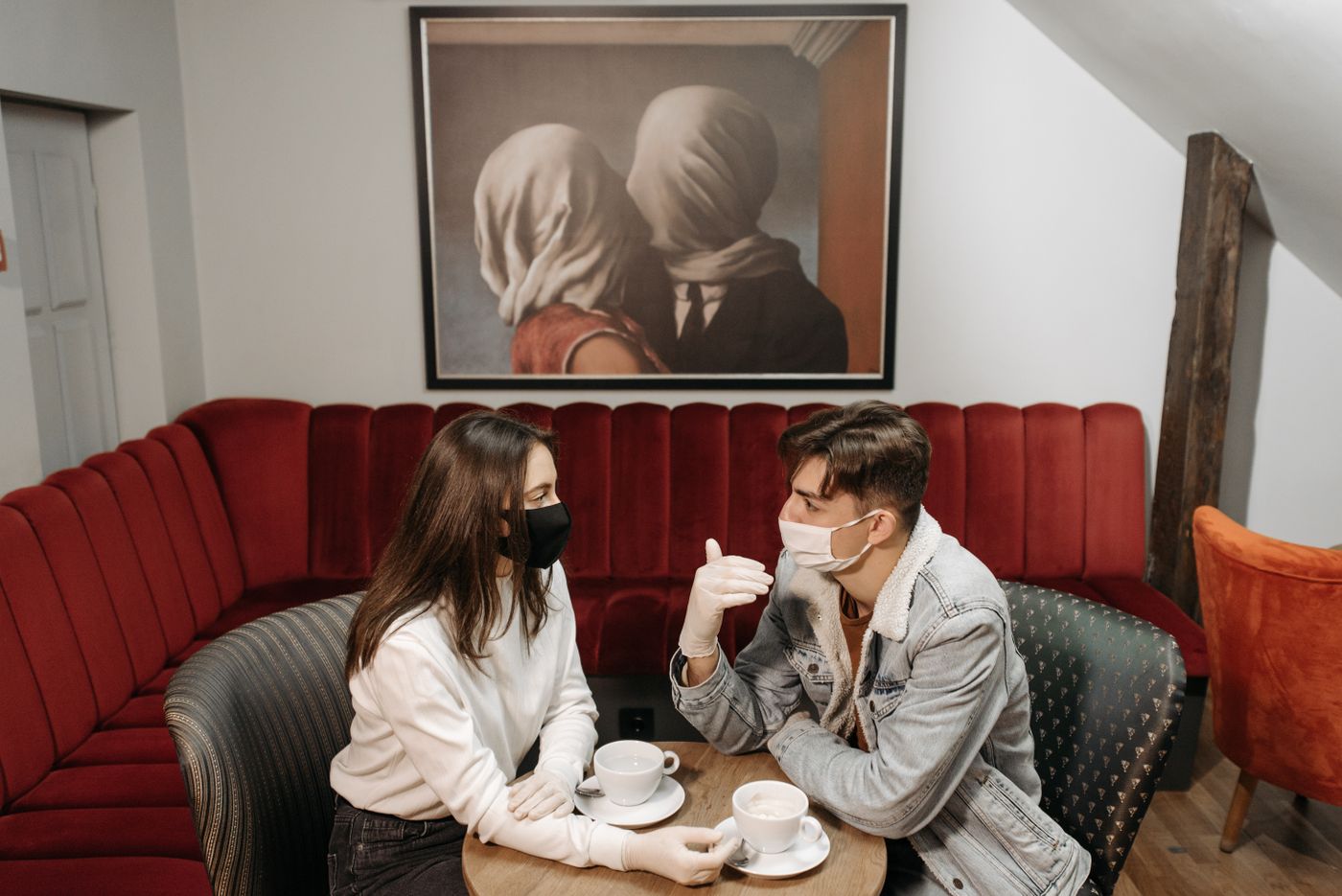
You launch a dating app ad with glossy profile cards, fast swipes and a cheerful voiceover about more matches. A few people tap, then the comments ask whether profiles are real, what stays free, and whether anyone actually meets. The creative looks lively, but it hasn't answered the questions holding the buyer back.
Dating app buyers aren't shopping for another pile of profiles. They're tired of swiping without meeting, wary of bots and surprise paywalls, and often trying again after a breakup or move. They want to feel in control of their time, privacy and pace.
This guide gives you buyer groups, doubts to answer on camera, purchase moments and eight hooks to test. The report subtitle describes a premium ad-research report for e-commerce, DTC, dropshipping and affiliate marketers in this niche. Use the examples to brief creative that sells a clearer path to connection, not endless activity in an app.
Why more-match dating app ads miss
A screen full of profile cards can make an app look active, but it also resembles the experience many buyers already want to leave. They describe swipe fatigue, conversations that fizzle, fake profiles and apps that hide basic features behind a paywall. Add a claim about more matches, and you may be selling more of the same work.
Instead, show what happens after the tap. A verified badge, a visible intent filter, a prompt that gets a conversation moving, or a match suggesting a coffee meetup can make the experience concrete. If privacy matters to your audience, put the control on screen before showing a personal profile.
Four buyers worth targeting first
The report maps several buyer groups. These four give you distinct starting points for creative. Keep each message tied to the person's situation instead of trying to make one video speak to every dater.
The Niche Hobbyist
Games, tabletop campaigns and fandoms are a big part of their downtime. They want a partner who gets the references and enjoys the same rituals.
Ad angle: show two people co-op gaming or planning a campaign. Put “date someone who already speaks your language” over the scene.
The Second-Timer
They’re 40 or older and returning after a long relationship, divorce or years focused on work and family. They want substance and respect, not games.
Ad angle: open with a calm profile setup and an intent filter. Say “grown-up dating for people done wasting time.”
The Juggling Parent
They’re raising kids and need honesty about time, boundaries and what each person is looking for. They don’t want to pretend life is simpler than it is.
Ad angle: show a quiet moment after bedtime, then a profile setting a clear boundary. Keep the tone grounded, not nightlife-focused.
The Campus Connector
They want low-pressure ways to meet people nearby, whether for dating or friendship, in a new or busy campus social scene.
Ad angle: show a campus map and two students agreeing to meet between classes. Lead with nearby people and spontaneous plans.

The doubts to answer on camera
A line in the caption may not settle a concern. Put the proof in the scene itself: a visible control, a clear label or a product flow that shows what happens next. Only show features your app really has.
| What the buyer thinks | What to show on camera |
|---|---|
| “Are these profiles real, or bots?” | Show the actual verification flow and a verified badge on a profile. Don’t imply checks you don’t perform. |
| “Will I hit a paywall just to see a like?” | Open the plan or feature screen and plainly label what’s free, such as profile views or likes, if those are included. |
| “Will this become another time-consuming swipe loop?” | Show a small set of profiles, a clear stop point and a path from a match to a proposed meetup. |
| “Will strangers see more about me than I want?” | Film the real privacy controls or discreet mode, then show the user choosing what to reveal. |
| “Will the conversation just die after we match?” | Show an in-app conversation prompt helping two people move from a greeting to a specific plan, if available. |
Trust is easier to believe when the viewer can inspect the interface. Don’t use a badge, free-feature label or meetup guarantee as decoration unless the product backs it up. If a feature differs by plan or location, make that clear in the ad.
The moments that start a purchase
A dating app download often follows a change in someone's life. Name the moment gently, then show how the app lets them choose their own pace.
- Weeks after a breakup. A person closes an old photo album, then opens a profile setup screen with no pressure to rush into a date.
- Returning after a break. Someone rebuilds a profile and checks preferences before browsing again.
- Moving to a new city, job or school. A new resident looks at nearby profiles or local introductions while unpacking.
- Starting over after separation. Show privacy settings being reviewed before the person decides what to share.
- A friend nudges them to try. Show a friend sending the app, followed by the user choosing their own pace and settings.

8 dating app hooks to test
Use these as opening lines, then pair each with visible proof. Keep the product claims accurate: a hook about verification or free features should lead to the real verification or pricing screen.
“Tired of swiping through a thousand people and meeting no one?”
Best for: swipe fatigue, show a match-to-meet flow.“The best dating app is the one you barely have to use.”
Best for: people who want less swiping, show a focused selection.“She took a break from dating apps, then decided to try again at her own pace.”
Best for: returners, show profile setup and controls.“If dating apps feel like a second job, this is for you.”
Best for: busy professionals, show a short, clear app session.“Can you see who likes you without paying?”
Best for: paywall concerns, show the actual free-feature screen.“Real profiles should be easy to recognize.”
Best for: scam concerns, show the real verification badge and process.“Single parents: you don’t have to hide your life to date.”
Best for: parents, show honest profile choices and boundaries.“Introvert? What if you could start with a calm conversation?”
Best for: low-pressure daters, show a text-first opening prompt.Test two hooks against the same video so the opening message is the main change. Keep a hook only when its promise fits both the product and the audience response.
Score your current dating app ad
Review the actual video, not just its caption. Tick a box only when the viewer can see the answer or proof in the creative.
Your ad shows 0 of 6.
Every unticked box points to a question your ad leaves open. Pick the one most relevant to the audience and build the next edit around answering it plainly.
If your dating app ads are already running flat: what to do now
Don’t add more profile cards or stack several promises into one video. Make one clear change at a time, starting with what buyers are already asking.
- Read comments and messages. Note whether people ask about bots, pricing, privacy or whether the app leads to real dates.
- Replace the opening line. Try a pain-led hook about swipe fatigue or a specific life-stage message, while keeping the current footage.
- Film one piece of product proof. Capture the real verification, privacy or free-feature screen that answers the biggest concern.
- Separate audiences by situation. Make distinct versions for a returning dater, a parent or a campus user instead of blending their needs.
- Show the next step after a match. If the product supports it, demonstrate a prompt or meetup flow. Don’t promise an outcome the app cannot guarantee.
A look inside a full AngleBrief report: buyer groups, objections and creative angles.
FAQ
What should a dating app ad show first?
Start with a frustration or situation the audience recognizes, then show the relevant product proof. For swipe fatigue, show a focused path beyond browsing. For trust concerns, show the real verification flow.
Should dating app ads focus on more matches?
The research points to relief, trust and real-life connection as stronger creative themes than a larger volume of matches. Show how the product works instead of making unsupported outcome claims.
Which buyer groups can I build separate ads for?
Examples include hobbyists, people dating again after 40, parents and campus users. Introverts, busy professionals and people returning after a break also have distinct needs and proof points.
How should I answer concerns about bots and paywalls?
Show the actual verification process and clearly state which features are free. Keep both claims aligned with the product's current features and terms.
Where does this buyer research come from?
The Dating Apps: The Buyer's Mind report organizes buyer personas, pains, objections, triggers, hooks and decision criteria for advertisers in the dating app niche.
Running ads in another niche? Browse all buyer reports or request research for your niche. You can also preview the Dating App report.

Get the full Dating App buyer report
Get the buyer groups, pains, objections, triggers, criteria and hooks in one research report. Use it to brief a creative round with clearer audience angles and product proof.
Get the report · $24One-time payment · instant access · 7-day refund