Cycling Ad Hooks: 8 Angles Riders Actually Respond To
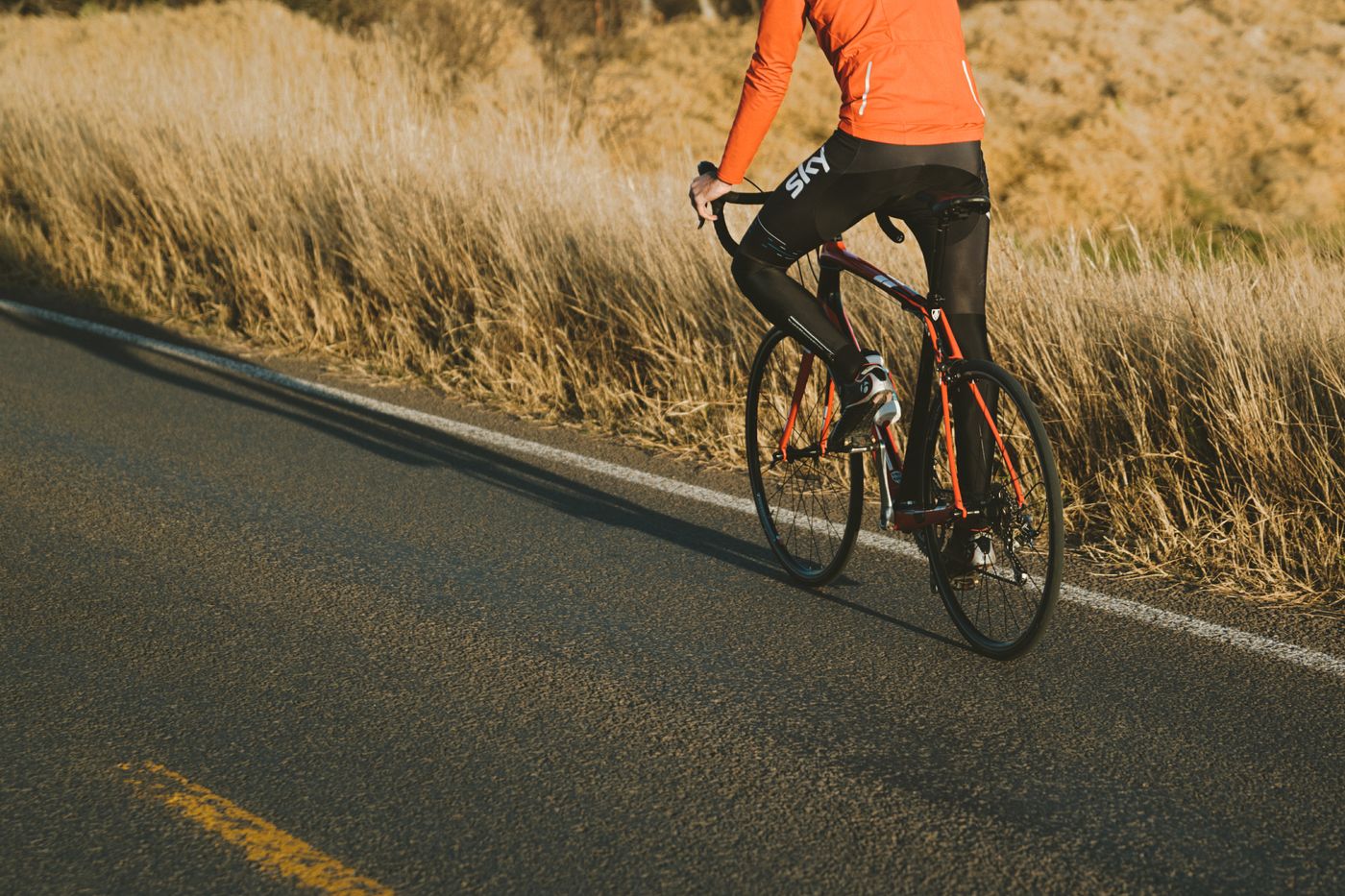
Picture it. You launch a pair of cycling bib shorts with three creatives: a rider hammering up a climb, a carbon frame in slow motion, a peloton shot with a motivational caption. You set $60 a day. By day three the click-through is thin, and the only two comments are a woman asking whether the shorts come in a size that doesn't squeeze her thighs, and a man asking if they'd work for a knee that clicks on every pedal stroke.
Those two comments are the entire niche. Neither person asked about weight, watts or race performance. They asked whether the thing will hurt them and whether it will fit.
We read through 7,772 buyer conversations and 606 competitor ads in cycling for this report. What came back is blunt: most ads sell speed to people who are shopping for relief. Below is who buys, what they doubt, and eight hooks you can put in front of them this week.
Why fast, light cycling ads leave money on the table
Cycling advertising has one default setting: performance. Carbon wheels, a race number, a rider in full kit holding 30 mph. That works on someone who already races. Most buyers in this niche are not that person. They are beginners, returning riders, indoor riders and people coming back from an injury, and they buy to fix something specific: a sore lower back, raw skin, a knee that swells, a trip coming up, a budget that rules out the expensive option.
Here's a concrete contrast. Creative A is a drone shot of a rider on a mountain pass with "engineered for speed" over it. Creative B opens on a close-up of a hand pulling a padded short away from a red inner thigh, then shows the same rider four hours later, sitting upright at a cafe, no wince. B answers a question. A only announces a mood.
Four riders worth targeting first
The report maps ten buyer groups. These four came back with the strongest signal and each needs its own creative, because the reason to buy is different.
The nervous beginner
Just started on road or gravel. No idea what to buy, worried about looking out of place or getting hurt.
Ad angle: "your first ride, simplified." Show a starter kit, a short how-to and a price that doesn't sting.
The indoor rider
Trains on a trainer, spin bike or in a studio, often after dark or when the weather is bad. Wants consistency.
Ad angle: show the at-home setup and a hard session done in 30 minutes. "Train hard, never leave the house."
The comeback rider
Recovering from surgery or an injury, or back after a doctor's go-ahead. Wants gradual, low-impact movement.
Ad angle: calm, gentle creative about a step-by-step return. Invite them to follow their care provider's advice.
The weekend road rider
Long Saturday or Sunday miles on paved roads. Cares about comfort over hours in the saddle, plus weight and ride feel.
Ad angle: "still comfortable at hour four." Show the real loop and what the gear feels like at the end of it.
The doubts to answer on camera
These kept coming up in buyer conversations. Each one has a filmable answer. Skip it and the viewer assumes the worst and keeps scrolling.
| What the buyer thinks | What to show |
|---|---|
| "Riding hurts me. Hands, knees, numbness." | A close-up of padding and contact points, then the same rider at the end of a ride, upright and relaxed. |
| "Cycling clothes are too tight and too revealing." | Stretch fabric pulled and released on a few different body types, plus a modest, everyday cut on a real rider. |
| "It won't fit and I'll have to ship it back." | A size chart on screen, model height and size, and free exchanges stated in the first five seconds. |
| "The roads and the drivers feel risky." | Riders in actual traffic with the visibility gear lit up, and a night shot with and without it. |
| "All of this costs too much." | A price on screen next to a pricier alternative, with exactly what's included and no subscription. |
Notice the right column has no adjectives. "Comfortable" and "premium" don't move anyone here, because your competitors all say them. A rear-facing night shot does the arguing for you.
The moments that start a purchase
Nobody wakes up wanting a chamois. Something happens first, and the creative that names that moment in the first line tends to win.
- A trip is booked. A tour, a bikepacking route, a family holiday. They need kit that survives all of it, and soon.
- They start riding to get fit. A new routine, a first bike, no idea what's required. A starter bundle with a checklist lands well.
- A doctor gives the go-ahead. After a scan, an injury or a warning, they're told to move more and they're unsure where to start.
- They move to a new city. New streets, no routes, a bike as the fastest way to learn the area.
- Something wears out or gets upgraded. A new frame, or shorts with a hole in them. The old gear has stopped doing its job.

8 cycling hooks to test this week
Adapted from the 16 hooks in the full report. Pair each one with the matching proof shot from the doubts table above.
"Your shorts shouldn't be ripping before your legs are tired."
Best for: chafing and durability"Why does your lower back scream by mile 20?"
Best for: back and hip comfort"Cycling clothes that don't look like you're about to enter a race."
Best for: beginners, relaxed fit"I got cleared to exercise and had no idea where to start. Here's what I picked."
Best for: comeback riders"No subscription. No account. Just ride."
Best for: price and friction"Tired of dodging cars just to get your cardio in?"
Best for: indoor and quiet-route riders"Flat seams. No lines. Nobody will know what you're wearing under there."
Best for: apparel worn under layers"Do you really need an expensive bike computer to track your rides?"
Best for: value against pricier devicesRun them in pairs on the same footage so only the first line changes. After a few days, keep the winner and stack it against the next hook.
Score your current cycling ad
Open your best-running creative and tick what the viewer actually sees. A claim in the caption doesn't count.
Your ad shows 0 of 6.
Fewer than four ticks means you're leaving doubts open, and each open doubt is a scroll.
If your cycling ads are already running flat: what to do now
Don't burn the campaign down or double the budget. Work through this in order, one change at a time.
- Read the comments and DMs. If people ask about sizing or knee pain, your ad raised a doubt it never answered.
- Swap only the first line. Replace the performance opener with a pain-led hook from the list above. Keep the same footage.
- Add one proof shot. A close-up of the padding, or a night visibility side-by-side, cut into the first five seconds.
- Split by rider type. One creative for beginners, one for indoor riders. A message for everyone reaches nobody.
- Make the price and the return policy visible. Put both on screen, not buried on the product page.
A look inside a full AngleBrief report: personas, hooks and the angle test matrix.
FAQ
What should a cycling ad show first?
The answer to the buyer's biggest doubt. For most audiences that means comfort proof at the contact points, or a clear fit range on real bodies. Speed and specs can come later.
Do performance ads work for cycling at all?
They work on seasoned riders and race-minded group riders, who want precise details and a no-fluff tone. That's a smaller group than beginners, returning riders and indoor riders combined.
How do I handle the injury and recovery audience?
Keep it calm and gradual. Show gentle, low-impact movement and step-by-step progression, and invite people to follow their care provider's advice. Avoid promising a fix.
Which objections sink the most sales?
Pain and fit. "It will hurt me" and "it won't fit, I'll have to return it" come up constantly. Show cushioning, stretch and a size chart, then add free exchanges.
Where does this research come from?
From 7,772 public buyer conversations and 606 competitor ads in cycling, grouped and ranked by how often each point appears.
Running ads in a different niche? Browse all buyer reports or request research for your niche. You can also preview the Cycling report before you buy.

Get the full Cycling buyer report
All ten rider groups with their ad angles, ranked pains, objections and triggers, all 16 hooks and the angle test matrix. Brief your next creative round today instead of guessing.
Get the report · $24One-time payment · instant access · 7-day refund