Compression Socks Ad Guide: Buyer Angles and Hooks to Test

You launch a compression socks ad with a close-up of the fabric, a compression-level badge and a line about circulation. The video looks polished, but shoppers keep scrolling. One comment asks, “Will these squeeze my calves?” Another says they tried a pair before and couldn’t get it over their heel.
That hesitation is the niche in miniature. People aren’t shopping because they love socks. They want lighter-feeling legs after a shift, less discomfort from swelling, or a comfortable pair to wear after a clinician recommends compression. They’re also trying not to buy another pair that hurts.
This guide draws on 5,986 real buyer conversations. You’ll see who buys, what they doubt and which hooks to test. The central creative challenge is simple: show a specific use moment, then demonstrate fit and comfort instead of leaning on medical-sounding claims.
Why compression specs miss the buyer
A chart of compression levels may help someone compare products, but it doesn’t show what wearing the socks will feel like. Buyers describe swollen or heavy legs, discomfort after long periods sitting or standing, and socks that dig in or leave them struggling to get dressed. Their immediate question is whether this pair will feel manageable in their actual day.
That day might mean driving for hours, working a long shift, getting ready for a flight or dealing with a pregnancy bump that makes bending difficult. If your ad opens with a technical spec, the viewer still can’t picture the fit on their own calf, whether the cuff will dig, or how the sock goes on. A close-up of a wide opening and a one-take dressing demo gives them something concrete to judge.
Four buyers worth targeting first
The report maps ten buyer groups. These four have clear situations you can turn into distinct ads. Give each one a visual and message of their own, rather than asking one generic “support” ad to speak to everyone.
The swollen-ankle buyer
Ankles feel puffy or heavy through the day, sometimes after long inactivity or in connection with water retention or medication. They want a wearable option, not another vague promise.
Ad angle: show ankles in the morning and again late in the day, then the sock being put on. Frame it around wanting a lighter-feeling evening, not a guaranteed result.
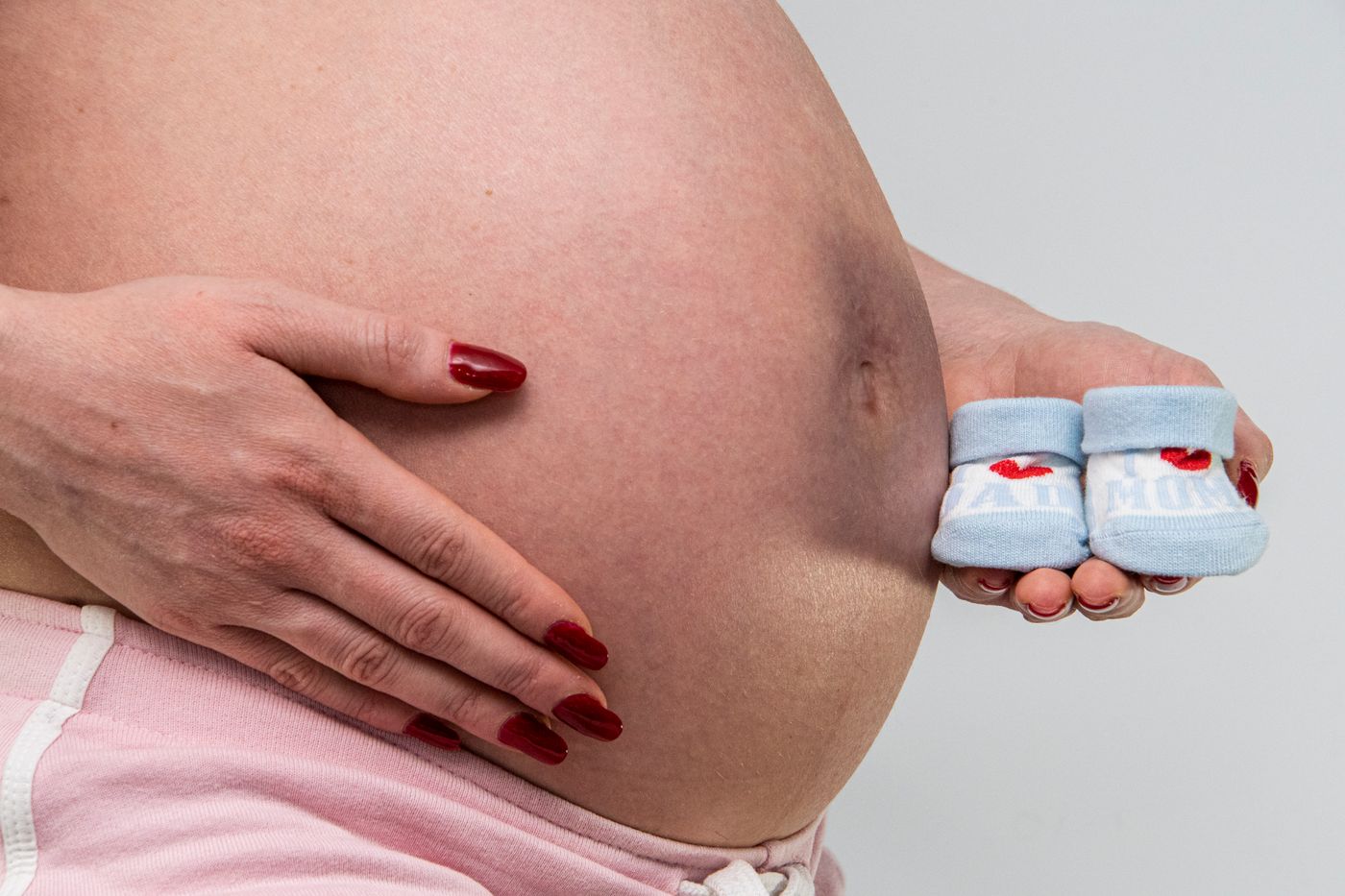
The pregnant or postpartum buyer
Swelling and heaviness can make shoes uncomfortable, while bending to dress may be a challenge. A pair that looks easy to pull on matters as much as how it looks.
Ad angle: show a pregnant wearer sitting down and pulling the sock on herself. Consider showing an open-toe option beside a pair of shoes.
The desk worker or driver
They spend hours sitting at a desk or behind the wheel and notice tired, heavy legs toward the end of the day. They need a low-profile style that works under everyday clothes.
Ad angle: cut from a desk or driver’s seat to a sock under trousers, then show the wearer standing up after a long stretch.
The big-calf buyer
Standard socks may feel too tight, leave marks or refuse to go on. They want to see that the size guide accounts for calf measurements, not just shoe size.
Ad angle: put the size chart on screen while a model with larger calves measures and tries on the pair. Show the cuff sitting comfortably without rolling.
The doubts to answer on camera
The doubt is often physical: pain, a tight cuff, a difficult dressing routine or a fit that doesn’t match the buyer’s calf. Don’t rely on “comfortable” in the caption. Show what that word means with a close-up, a try-on or a visible size guide.
| What the buyer thinks | What to show on camera |
|---|---|
| “These will hurt, numb my legs or make things worse.” | Show the sock on a real leg, the cuff lying flat and the fabric flexing. Describe the hold plainly; avoid medical promises. |
| “I won’t be able to get them on by myself.” | Film one uninterrupted try-on: open the sock, guide it over the heel and smooth it into place. |
| “The size will be wrong for my feet or calves.” | Show a foot-and-calf measurement guide next to a real wide-calf try-on and the size selected. |
| “They’ll look like medical gear with my clothes.” | Style colorful or patterned pairs with trousers, a dress or sandals, including an open-toe design. |
| “They’ll feel hot, itchy or tight all day.” | Show the knit and toe seams close up, then the sock under shoes during an ordinary day. |
Specific footage beats another adjective. A viewer can see a cuff roll or sit flat, and can watch someone pull a sock over a heel. Keep claims grounded in what the product demonstrably offers, and invite people with medical questions to check with their clinician.
The moments that start a purchase
Compression socks often enter the shopping list after a concrete event or routine. Name that moment in the opening, then make the product’s role clear without implying it prevents or treats a condition.
- A clinician recommends them. Show someone reading care instructions and comparing a sizing guide; include a calm reminder to follow their clinician’s advice.
- A surgery is coming up or recovery is underway. A packed bag, easy-on demo and comfortable fit make a practical preparation angle.
- A long flight is booked. Show the socks going into a carry-on beside travel clothes, then worn with airport shoes.
- A long shift is on the schedule. Film a driver or desk worker getting dressed, then show the low-profile fit under trousers.
- Pregnancy makes dressing harder. Show a seated, solo try-on and a shoe that fits more comfortably alongside the sock.

8 compression socks hooks to test this week
These hooks adapt angles from the buyer research. Pair each line with a matching proof shot from the doubts table. Keep the visual consistent when you compare openings, so you can see which message earns attention.
“Why do your ankles feel puffy by the end of the day?”
Best for: swelling and end-of-day heaviness“Your compression socks may not be the problem. The fit might be.”
Best for: fit concerns and returned pairs“Before a long flight, she packed the pair she could wear comfortably.”
Best for: travel preparation“Desk workers and drivers: long hours sitting can leave legs feeling heavy.”
Best for: desk workers and long-haul drivers“Tried compression socks and gave up because they hurt?”
Best for: buyers wary of pressure or pain“No more wrestling the sock over your heel.”
Best for: easy-on and easy-off proof“Big calves? See the size guide and fit on a real body.”
Best for: wide-calf buyers“What if compression socks looked like something you’d choose to wear?”
Best for: style-conscious buyersTest two openings against the same footage first. If the fit hook gets attention, follow with a new test of the size-chart visual. Keep the copy and footage honest: present comfort and product features, not a promised medical result.
Score your current compression socks ad
Open your best-running creative and tick only what the viewer can actually see. A claim in the caption doesn’t count as proof on screen.
Your ad shows 0 of 6.
Fewer than four ticks? Your ad may leave basic questions unanswered. Add proof that a viewer can judge for themselves before changing the whole campaign.
If your compression socks ads are already running flat: what to do now
Don’t start by changing the budget and every creative element at once. Work through these adjustments in order, changing one thing at a time.
- Read comments and messages. If people ask whether the cuff hurts or whether the size fits larger calves, make that unanswered question your next creative brief.
- Change the first line. Swap a compression-spec opener for a moment-led line about a shift, flight or end-of-day heaviness. Keep the footage steady for this test.
- Add a one-take try-on. Show the opening, heel and cuff in one continuous shot so buyers can judge the effort and fit.
- Separate the audiences by situation. Build one version for long shifts and another for pregnancy or wide-calf fit. Use the matching scene and message in each.
- Put sizing and product options on screen. Show foot and calf measurements, available lengths or an open-toe style where relevant. Don’t imply one pair suits every need.
A look inside a full AngleBrief report: personas, hooks and the angle test matrix.
FAQ
What should a compression socks ad show first?
Start with the buyer’s situation, such as getting ready for a long flight or finishing a day with heavy-feeling legs. Then show fit or an easy-on demo. Avoid opening with medical claims.
How can I address concern that compression socks hurt?
Show the cuff and fabric on a real leg, and demonstrate how the pair is put on. Explain the product’s hold in plain language and don’t promise symptom relief or suggest it’s right for every person.
Which buyers can I target besides travelers?
The research identifies people with swollen ankles, pregnant and postpartum buyers, desk workers and drivers, people with nerve-related discomfort, foot-pain walkers, older adults and wide-calf buyers. Give each group a relevant scene and fit demonstration.
Can I use a doctor recommendation as an ad angle?
You can speak to the moment when someone has been advised to consider compression socks, but don’t imply a doctor endorses your product. Encourage viewers with questions about suitability to consult their clinician.
Where does this research come from?
It draws on 5,986 public buyer conversations about compression socks, organized around buyer groups, pains, objections, purchase triggers and product criteria.
Running ads in another niche? Browse all buyer reports or request research for your niche. You can also preview the Compression Socks report.

Get the full Compression Socks buyer report
See all ten buyer groups, their ad angles, ranked pains and objections, plus the hooks and angle test matrix. Use the research to brief a creative round built around real buyer concerns.
Get the report · $24One-time payment · instant access · 7-day refund